



Why Getting a Joint Wet Is a Problem
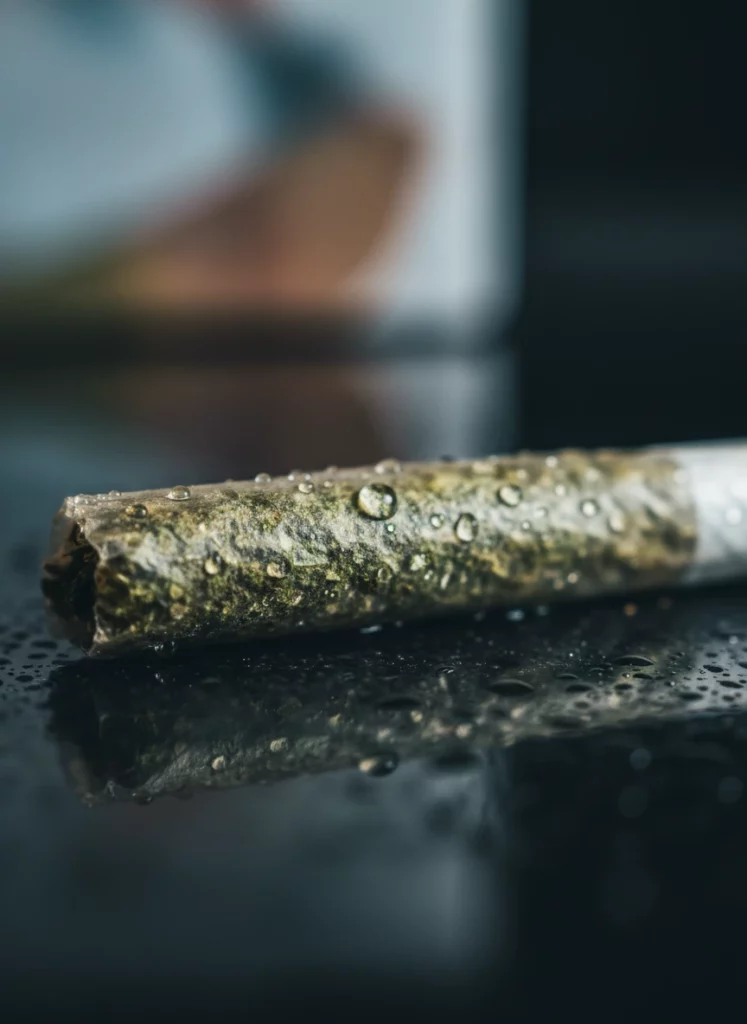
When water penetrates cannabis and rolling paper, several issues arise immediately. The paper loses its structural integrity and can tear easily, making the joint difficult or impossible to smoke without falling apart. Wet cannabis also won’t burn properly – it will either go out repeatedly or burn unevenly, creating that frustrating “canoe” effect where one side burns faster than the other.
Beyond the immediate smoking issues, moisture introduces the risk of mold and mildew if not addressed promptly. Cannabis that stays damp for more than a few hours in warm conditions can begin developing harmful mold spores. This is why acting fast is crucial when your joint takes an unexpected bath.
The good news is that cannabinoids like THC are not water-soluble, meaning a quick dunk won’t wash away the compounds you’re after. However, some water-soluble terpenes – the aromatic compounds responsible for flavor and aroma – may be partially lost, potentially affecting the overall experience.
Immediate Steps After Your Joint Gets Wet
The moment you realize your joint is wet, gently shake off any excess water. Hold it by one end and give it a few gentle flicks to remove surface moisture. Don’t squeeze or apply pressure, as this can damage the structure further or push water deeper into the cannabis.
If the joint is only partially wet, carefully identify which areas are affected. Sometimes just the tip or one section gets damp, and you may be able to smoke the dry portion while salvaging the rest. Use a clean, dry paper towel or cloth to gently blot the wet areas – don’t rub, as this can tear the paper or disturb the contents.
The Best Methods to Dry a Wet Joint
Air Drying (Recommended Method)
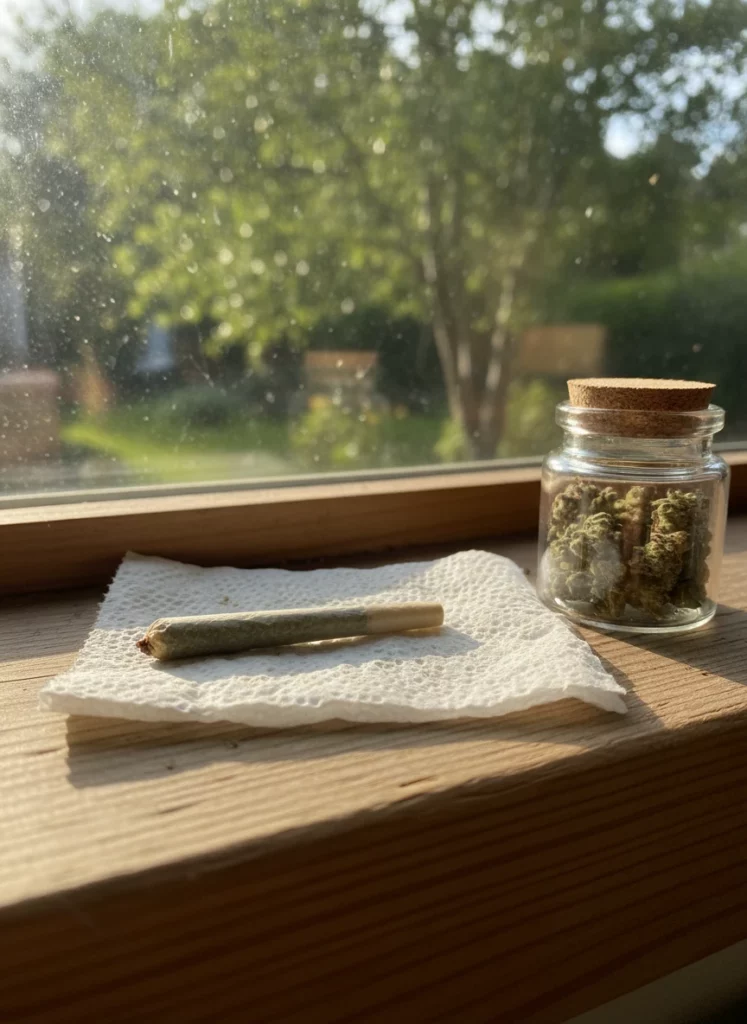
Air drying is the gold standard for rescuing wet joints because it preserves cannabinoids and terpenes without applying damaging heat. Simply place your joint on a clean, dry surface in a well-ventilated area away from direct sunlight. A windowsill with indirect light, a countertop near a fan, or even just a table in a room with good air circulation works perfectly.
The drying time varies based on how wet the joint got and environmental humidity levels. A lightly dampened joint might be ready in 30-60 minutes, while a thoroughly soaked one could take 2-4 hours or even overnight. Rotate the joint every 20-30 minutes to ensure even drying on all sides.
For faster air drying, position a fan to blow gentle air across the joint – not directly at it with high force, which could blow the contents around if the paper has weakened. This method typically cuts drying time in half while remaining safe for your cannabis.
The Rice Method
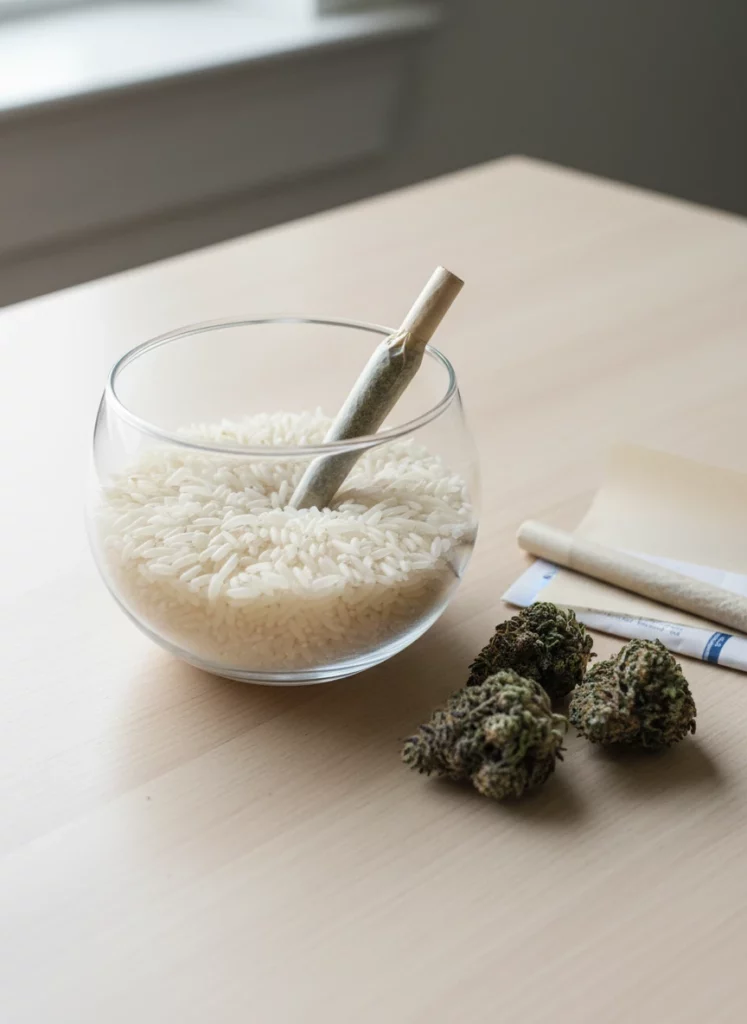
Just like saving a wet phone, rice can help absorb moisture from your joint. Place the wet joint in a small container or plastic bag filled with uncooked rice, ensuring it’s completely surrounded but not buried under pressure. The rice acts as a desiccant, drawing moisture away from the paper and cannabis.
Leave the joint in the rice for 1-3 hours, checking periodically. This method works particularly well for moderately wet joints and has the advantage of being relatively hands-off. Once removed, you may still want to air dry it for an additional 15-30 minutes to ensure all moisture has evaporated.
Silica Gel Packets
If you have silica gel packets (those little “Do Not Eat” packets that come with shoes, electronics, or supplements), they’re excellent for moisture removal. Place your joint alongside 2-3 silica gel packets in a sealed container or bag. The silica gel will actively pull moisture from the joint over 1-2 hours.
This method is efficient and safe, though not everyone has silica packets readily available. If you’re a regular cannabis user, consider keeping a few packets specifically for these emergencies – they’re reusable and can be “recharged” by heating them in an oven.
Methods to Avoid
Never Use a Microwave
It might be tempting to pop your wet joint in the microwave for a quick fix, but this is one of the worst things you can do. Microwaves heat unevenly and can cause hot spots that degrade THC and other cannabinoids. The paper can also catch fire or produce harsh chemicals when heated this way. The resulting smoke, if it’s even usable, will taste terrible and provide a significantly diminished experience.
Skip the Oven or Stovetop
While some people suggest using very low oven temperatures, the risk outweighs the benefit. Even at low settings, ovens can exceed the temperature at which terpenes begin to evaporate (around 70°F for some) and where THC starts to degrade (around 200°F). The controlled environment might seem appealing, but air drying is always safer and produces better results.
Don’t Use Direct Flame
Holding your joint near a lighter flame or candle to “dry it out” is ineffective and dangerous. You’ll likely burn the paper before the inside dries, create harsh burnt flavors, or even ignite the joint prematurely. This method offers no real benefits and plenty of downsides.
Assessing Your Dried Joint
Once your joint appears dry to the touch, perform a few quality checks before lighting up. Gently squeeze the joint along its length – it should feel firm but slightly springy, not hard or crunchy. If it feels brittle or makes crackling sounds, it may have dried too quickly or been exposed to too much heat.
Inspect the paper for any tears, weak spots, or areas where the adhesive has failed. Small tears can sometimes be repaired with a thin strip of rolling paper or hemp wrap. If the structural integrity is severely compromised, you may need to carefully open the joint, transfer the contents to a new paper, and re-roll.
Give it a smell test. Your dried joint should smell like cannabis – earthy, piney, or whatever the strain’s natural aroma is. If you detect any musty, moldy, or off-putting odors, don’t smoke it. When in doubt, throw it out.
How to Prevent Joints from Getting Wet
Storage is your first line of defense against moisture exposure. Invest in a quality joint tube or doob tube – these cylindrical containers are specifically designed to protect pre-rolls from physical damage and moisture. Many are made from plastic, metal, or glass with airtight seals.
When you’re outdoors or in unpredictable weather, keep your joints in a waterproof container inside your bag or pocket. Small waterproof cases designed for pills or matches work perfectly and cost just a few dollars. Some cannabis accessory brands also offer stylish waterproof carrying cases specifically for pre-rolls.
Consider the humidity levels where you store your cannabis products at home. Extremely dry conditions can make joints brittle, while too much humidity can cause moisture problems even without direct water contact. A humidity level between 55-62% is ideal for cannabis storage.
Comparison of Drying Methods
Table: Overview of common drying techniques and their effectiveness
| Method | Time Required | Safety Level | Quality Preservation | Convenience |
|---|---|---|---|---|
| Air Drying | 1-4 hours | Excellent | Excellent | High |
| Rice Method | 1-3 hours | Very Good | Very Good | Medium |
| Silica Gel | 1-2 hours | Excellent | Excellent | Medium |
| Fan-Assisted Air Drying | 30 min-2 hours | Excellent | Excellent | High |
| Microwave | 1-2 minutes | Poor | Poor | High |
When to Call It a Loss
Sometimes, despite your best efforts, a joint simply can’t be saved. If the paper has completely disintegrated or torn beyond repair, the most practical solution is to carefully salvage the dried cannabis and use it in a pipe, bong, or vaporizer. You can also re-roll the dried flower in fresh paper if you prefer joints.
If you notice any visible mold growth – it typically appears as white, gray, or green fuzzy spots – discard the entire joint immediately. Inhaling mold spores can cause respiratory issues and is never worth the risk. Mold can develop quickly in wet conditions, sometimes within 24-48 hours, so always inspect carefully.
Joints that have been submerged in anything other than clean water (soda, beer, dirty puddles, etc.) should generally be discarded. The contaminants and sugars can’t be adequately removed and may produce harmful or extremely unpleasant smoke.
Conclusion
Rescuing a wet joint is entirely possible with patience and proper technique. Air drying, rice, or silica gel methods preserve cannabinoids and terpenes while safely removing moisture. Prevention through waterproof storage saves hassle, but when accidents happen, you now have the knowledge to handle them confidently. Remember that cannabis laws vary by U.S. state, and this content is intended for adults 21 years and older only.


Playground Navigation Under Cannabis Influence: Yay or Nay?

My Partner Smokes Weed, and I Don’t-How Does That Work?

Can Cannabis Heighten Sensory Experiences at Live Concerts?

Emerging Careers in the Booming Cannabis Industry

Gelato Showdown: Regular THC Experience vs. Pre-Rolls

The Psychedelic Power of THCA in Transpersonal Psychology

Smoking Weed in Public Parks and Beaches: What Are the Rules?

Cultural Influence of Cannabis in Modern Media

What Causes the Variation in Cannabis Effects Between Morning and Evening Sessions?
All Posts
