



What Happens to Weed in a Hot Car?
Your car’s interior can reach temperatures between 130°F and 170°F on a hot summer day. This far exceeds the ideal storage temperature for cannabis, which is 60-70°F. This extreme heat triggers chemical changes that fundamentally alter your flower’s composition and quality.
Heat and Cannabinoid Degradation
THC (tetrahydrocannabinol), the primary psychoactive compound in cannabis, is remarkably sensitive to heat and light. When exposed to prolonged high temperatures, THC undergoes decarboxylation and eventually converts into CBN (cannabinol).
CBN produces significantly milder effects than THC. Users often describe CBN as more sedative and less euphoric. Studies suggest that cannabis stored at room temperature loses approximately 16% of its THC content over the course of a year.
In a hot car over a summer, this degradation accelerates dramatically. Your once-potent flower might retain only a fraction of its original strength. You’ll end up with a disappointing, sleepy experience rather than the effects you’re expecting.
Terpene Loss and Flavor Degradation
Terpenes are the aromatic oils that give each strain its distinctive smell. They also contribute to the entourage effect. These compounds are even more fragile than cannabinoids.
Terpenes begin evaporating at temperatures as low as 70°F. Complete dissipation occurs rapidly in extreme heat. When terpenes disappear, so does the character of your cannabis.
That citrusy Lemon Haze or piney OG Kush becomes a generic, hay-like shadow of its former self. Beyond just taste and smell, terpene loss means you’re missing out on the nuanced experience that makes different strains unique.
Safety Concerns Beyond Potency

While reduced potency is disappointing, the real concern with heat-exposed cannabis is contamination. Your car creates a greenhouse effect. Combined with even minimal moisture, it becomes a breeding ground for unwanted guests.
Mold and Bacterial Growth
Mold spores are everywhere, including on cannabis flowers. Under normal storage conditions, these spores remain dormant. However, when heat meets humidity, mold colonies can flourish rapidly.
This includes condensation in a closed car or moisture in improperly dried bud. Smoking moldy cannabis can cause respiratory issues, allergic reactions, and other uncomfortable symptoms. Some molds produce mycotoxins that pose more serious health risks.
If you see any fuzzy white, gray, or black spots on your flower, do not smoke it. A musty smell rather than a skunky one is another clear warning sign.
Contaminants and Off-Gassing
Plastic containers and bags can release chemicals when heated to extreme temperatures. If your cannabis was stored in a plastic baggie or low-quality container, it may have absorbed unwanted compounds. Glass jars are always preferable, but even these aren’t immune to the problems caused by heat itself.
How to Tell If Your Car Weed Is Still Good
Before you grind up that forgotten stash, conduct a thorough inspection using multiple senses. Here’s a practical assessment guide.
Visual inspection: Fresh cannabis displays vibrant greens, purples, or oranges depending on the strain. Heat-damaged weed typically appears brown, yellow, or bleached. Check carefully for any signs of white, gray, or black mold.
Fuzzy patches or powdery residue are immediate red flags. If you see any of these, discard the product immediately.
Smell test: Quality cannabis has a pungent, distinctive aroma. It might smell earthy, citrusy, piney, or skunky depending on the terpene profile. Heat-damaged flower smells like hay or grass clippings, or has virtually no smell at all.
A musty, mildew-like odor indicates mold contamination. This means the product should be discarded immediately.
Texture check: Properly cured cannabis should be slightly sticky to the touch and break apart with some resistance. Overly dry, crumbly weed that turns to dust at the slightest touch has been over-dried by heat. Conversely, if it feels damp or spongy, moisture and potential mold are concerns.
| Characteristic | Fresh Cannabis | Heat-Exposed Cannabis |
|---|---|---|
| Color | Vibrant green, purple, orange | Brown, yellow, bleached |
| Aroma | Strong, strain-specific | Hay-like or absent |
| Texture | Slightly sticky, structured | Crumbly and dusty |
| Potency | Full THC content | Significantly reduced |
Can You Still Smoke It?
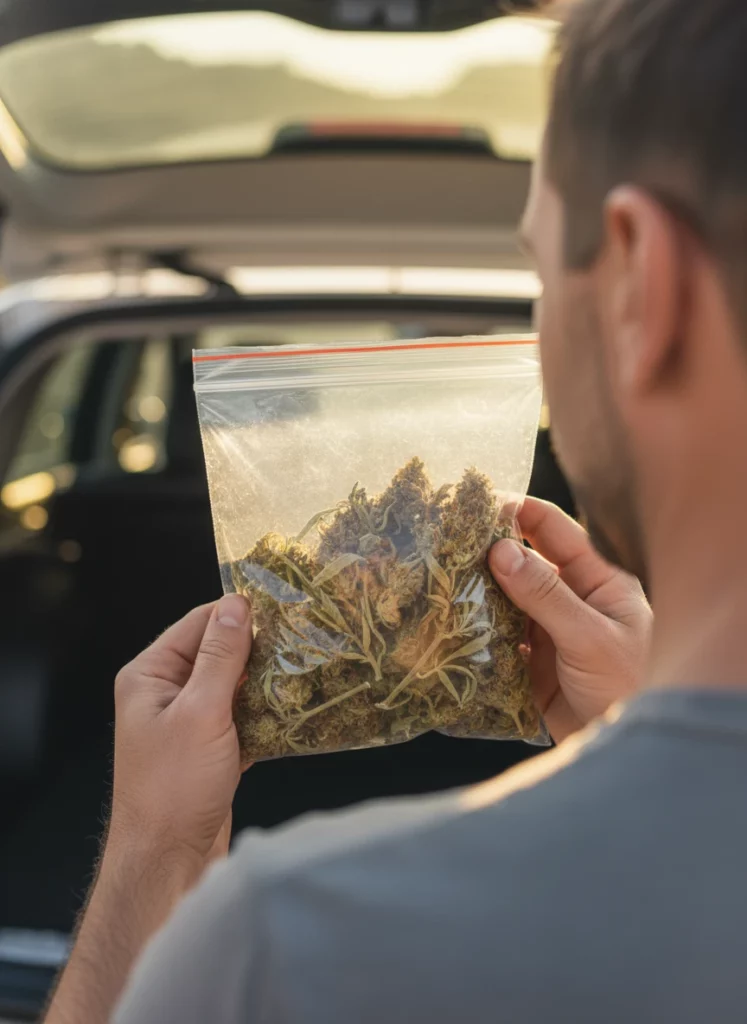
If your visual, smell, and texture tests all pass, then yes, you can technically smoke it. This means no mold, no musty odor, and the bud isn’t completely disintegrated. However, manage your expectations.
The experience will likely be underwhelming compared to fresh flower. The degraded THC means you’ll need to consume more to achieve similar effects. Those effects will likely skew toward drowsiness rather than the energizing or balanced experience you might prefer.
The lack of terpenes means harsh, flavorless smoke. It won’t be pleasant, but it won’t necessarily be dangerous if contamination isn’t present.
Some cannabis enthusiasts repurpose degraded flower by making edibles or concentrates. In these forms, flavor and potency can be supplemented or masked. Others simply accept the loss and dispose of compromised product rather than risk an unpleasant experience.
Best Practices for Cannabis Storage
Prevention is always better than trying to salvage compromised cannabis. Proper storage maintains potency, flavor, and safety for months or even years.
Temperature control: Store cannabis in a cool, dark place between 60-70°F. Avoid areas with temperature fluctuations. Never leave cannabis in your car, even “just for a little while” on a hot day.
Temperatures rise faster than you think. What feels like a quick errand can expose your stash to damaging heat within minutes.
Light protection: UV rays degrade cannabinoids and terpenes. Use opaque containers or store glass jars in a dark cabinet or drawer. Even indirect sunlight can cause gradual degradation over time.
Humidity management: The ideal relative humidity for cannabis storage is 59-63%. Too dry and terpenes evaporate while the flower becomes harsh. Too humid and you risk mold.
Consider using humidity control packs like Boveda or Integra Boost for optimal conditions. These affordable products automatically maintain the perfect moisture level.
Airtight containers: Glass jars with airtight seals are the gold standard. They prevent oxidation, protect from contaminants, and don’t leach chemicals. Mason jars or purpose-built cannabis storage containers work perfectly.
Conclusion
Finding forgotten weed in your car after a long, hot summer is a moment of mixed emotions. While heat-exposed cannabis isn’t automatically dangerous, it’s almost certainly degraded in quality, potency, and flavor. The real risk lies in potential mold contamination, which can cause genuine health problems. Moving forward, invest in proper storage solutions and keep your stash in a cool, dark, climate-controlled environment. Please note that cannabis laws vary significantly by U.S. state, and this content is intended for adults 21 years and older only.


Cannabis Potency In 2025: Strongest Legal Products

Super Silver Haze: History of a Sativa-Dominant Strain

Difference Between Joints and Blunts: A Comprehensive Guide

Astro-High: Discover the Best Cannabis Experiences for Each Zodiac Sign

What are the Common Misconceptions about Cannabis Legalization?

THC-P vs THC-H: Structure, Effects, Duration, Legality

What to Do With Weed That Didn’t Get You High

Should I Opt for Indica or Sativa for Relaxation Versus Energy?

Road Trip Essentials: What Marijuana Products to Pack for the Long Drive
All Posts
