



The Science Behind Individual Differences

Your Endocannabinoid System Is Unique
Every human body contains an endocannabinoid system (ECS) with CB1 and CB2 receptors that interact with cannabinoids. The density and sensitivity of these receptors vary from person to person based on genetics. Some people are born with more receptors or receptors that bind more efficiently to THC, resulting in more pronounced effects from smaller amounts.
Your body also produces its own cannabinoids – anandamide and 2-AG. People with naturally higher baseline levels may experience less dramatic effects from external cannabinoids since their systems are already well-stimulated. This natural variation explains why identical doses produce such different subjective experiences.
Metabolism: The Great Equalizer (Or Not)
Your liver metabolizes THC using enzymes from the cytochrome P450 family, particularly CYP2C9 and CYP3A4. Genetic variations in these enzymes can make you a “fast metabolizer” or “slow metabolizer.” Fast metabolizers break down THC quickly, potentially feeling shorter, less intense effects. Slow metabolizers might experience longer-lasting, more potent experiences.
First-pass metabolism occurs when edibles pass through the liver, converting THC into 11-hydroxy-THC, which is significantly more potent than standard THC. Individual enzyme activity determines how much of this conversion occurs, creating substantial person-to-person variation even with identical edible doses.
Physical Factors That Impact Your Experience
Body Weight and Composition
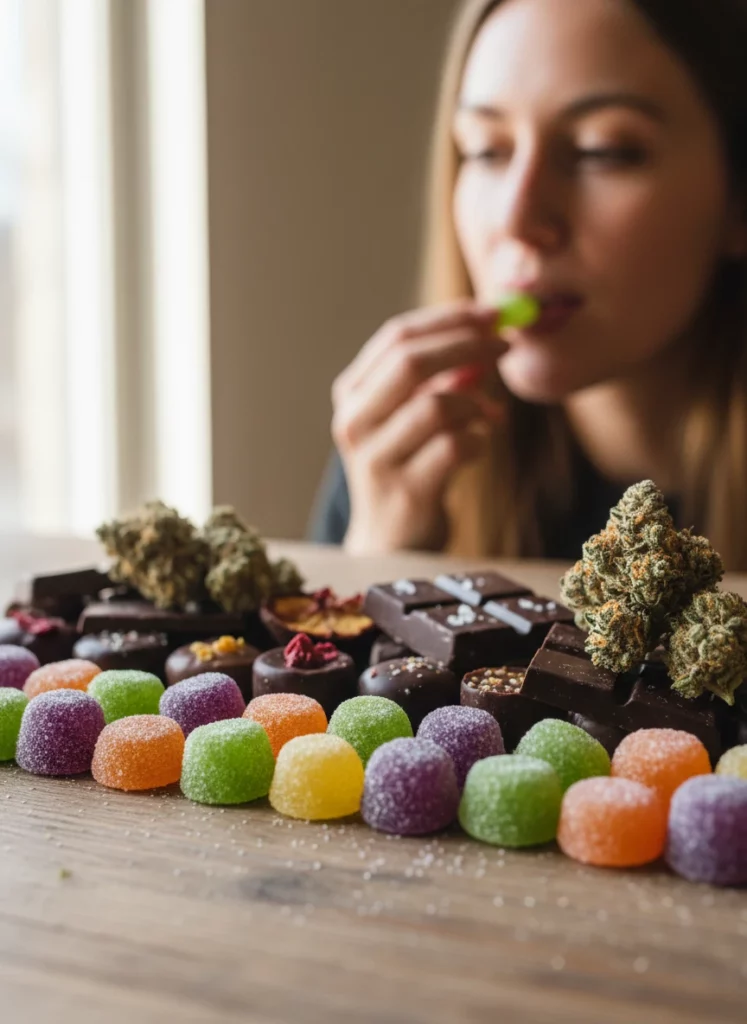
THC is lipophilic – it binds to fat tissue. When you consume cannabis, cannabinoids distribute throughout your body and store in fat. People with higher body weight or different fat-to-muscle ratios may require more product to achieve the same blood concentration levels as someone smaller.
This relationship isn’t simple or linear. A person with more body fat might store THC longer, potentially experiencing extended effects but requiring more upfront to feel initial onset. Hydration status also influences distribution, as dehydration can concentrate cannabinoids in your system.
Biological Sex Differences
Research suggests hormonal variations influence cannabinoid response. Estrogen may enhance THC sensitivity, while testosterone might reduce it. Menstrual cycle phases can affect how women respond to cannabis, with heightened sensitivity during certain periods. This doesn’t mean one sex always needs more or less – it’s another variable in the complex equation of individual response.
Behavioral and Environmental Factors
Tolerance: The Biggest Factor
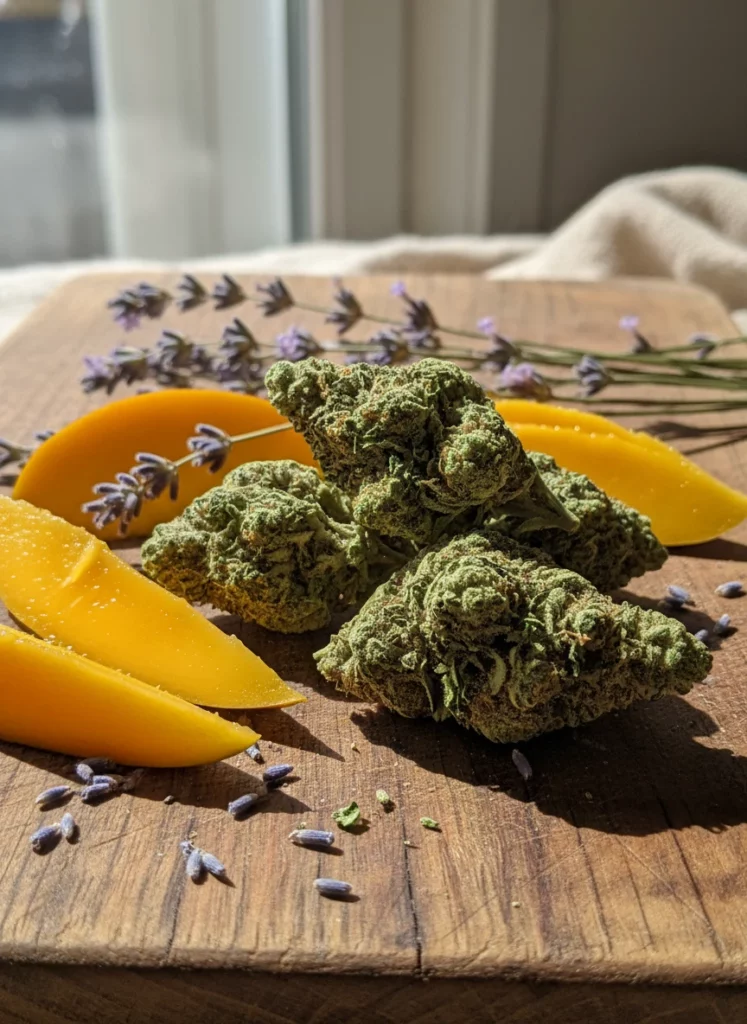
Regular cannabis consumers develop tolerance as their CB1 receptors downregulate (decrease in number and sensitivity) in response to frequent THC exposure. Someone who consumes daily will need substantially more than someone who partakes once a month. This adaptation protects the brain from overstimulation but requires increasing amounts to achieve the same effects.
Tolerance can develop surprisingly quickly – within days of regular use. Taking periodic breaks (sometimes called “tolerance breaks” or “T-breaks”) allows receptors to return toward baseline density. Most people notice significant improvements with a 1-2 week break, though full receptor recovery can take 3-4 weeks.
What’s in Your Stomach Matters
For edibles specifically, food in your stomach dramatically affects absorption. A full stomach, especially one with fatty foods, can delay onset but potentially enhance absorption since THC binds to dietary fats. An empty stomach typically results in faster onset but possibly less overall absorption.
The timing of your last meal, what you ate, and even your digestive health all contribute to variability in effects. This explains why the same edible might hit differently on different days.
Product Quality and Consistency
Not all cannabis products are created equal. Even from the same batch, cannabinoid distribution might vary slightly between gummies in a package or different sections of flower. Lab testing provides estimates, but minor variations occur. Third-party testing, reputable brands, and consistent sourcing help minimize this variable, though it’s impossible to eliminate completely.
Consumption Method Comparison
Different consumption methods deliver cannabinoids with varying efficiency and timelines:
| Method | Onset Time | Bioavailability | Duration |
|---|---|---|---|
| Smoking/Vaping | 2-10 minutes | 10-35% | 2-4 hours |
| Edibles | 30-90 minutes | 4-12% | 4-8 hours |
| Sublingual | 15-30 minutes | 12-35% | 3-5 hours |
Bioavailability – the percentage of consumed cannabinoids that reach your bloodstream – varies dramatically by method. If you’re consuming edibles while your friend smokes, you’re not comparing equivalent experiences even with “the same amount” of THC. Inhalation bypasses first-pass liver metabolism, delivering THC directly to the bloodstream and brain, while edibles undergo conversion to the more potent 11-hydroxy-THC.
Genetic Factors You Can’t Control
The CYP Gene Variations
Approximately 20-30% of people carry genetic variants that significantly alter how they metabolize cannabinoids. Some variants make the CYP2C9 enzyme less effective, meaning THC stays in your system longer and potentially feels stronger. Others speed up metabolism, requiring higher amounts for equivalent effects.
Commercial genetic tests can identify these variants, though they’re not necessary for most consumers. Simple trial and error usually reveals where you fall on the spectrum more practically and affordably.
Receptor Density and Sensitivity
The CNR1 gene codes for CB1 receptors. Variations in this gene affect receptor density in your brain and throughout your body. Some polymorphisms are associated with higher baseline endocannabinoid tone, which might make external cannabinoids feel less novel or intense. These genetic differences are inherited and unchangeable, representing fundamental variation in how your nervous system processes cannabinoids.
Practical Tips for Optimizing Your Experience
Start by understanding that comparison with others isn’t particularly useful. Your optimal amount is personal and may change over time based on tolerance, health status, and other factors.
Consider keeping a consumption journal noting the amount, product type, consumption method, timing, food intake, and effects. Patterns will emerge that help you understand your unique response profile. Track not just intensity but also onset time, duration, and quality of effects.
If you’re consistently needing more than friends, examine your tolerance level first. Taking a week or two off can significantly reset your sensitivity. Also verify you’re using quality products from reputable sources with consistent lab testing. Poor-quality products with inaccurate labeling might contain less THC than advertised.
When “Not Feeling It” Might Be Normal
First-time users sometimes report feeling nothing at all. This isn’t unusual. Some theories suggest the body needs to “learn” to recognize cannabinoid effects, or that CB1 receptors require initial exposure to upregulate sensitivity. Additionally, expectations influence perception. If you’re anticipating dramatic, movie-style effects, subtle relaxation or mood enhancement might go unnoticed.
Cannabis doesn’t affect everyone with the same intensity or in the same ways. Some people experience primarily physical relaxation, others mental effects, and some a balanced combination. Your response pattern is individual and valid regardless of how it compares to others’ experiences.
Conclusion
The question “why does everyone else get higher than me” has no single answer because human biology is beautifully complex. Your genetics, metabolism, body composition, tolerance level, and consumption method all contribute to your unique experience with cannabis. Rather than focusing on matching others’ experiences, embrace your individual relationship with these products through careful, gradual experimentation. Remember that cannabis laws vary significantly by state, and this content is intended for adults 21 and older only.


Sour Diesel vs. Lemon Haze: Which Strain Is Supreme?

Pina Strain: Effects, Flavor Profile, and Potency Guide

How to get marijuana smell out of clothes
THC Potency Myth: Why Higher Percentages Don’t Equal Stronger Cannabis

Cannabis vs. Alcohol: Relaxation Choices for Adults 55+
Pre-Roll Size Guide: Short vs King Cannabis Joints

Lemon Cherry Gelato: A Balanced Hybrid Strain with Fruity Flavors

Does Vipassana Meditation or Marijuana Show a Path to Enlightenment?

What Happens If You Take Amanita Muscaria Mushroom Gummies Before Bed
All Posts
