



The Growing Trend of Microdosing Among Veterans

Microdosing involves consuming minimal amounts of cannabis—typically 1-5 mg of THC or 2.5-10 mg of CBD—just enough to experience subtle therapeutic effects without cognitive impairment or intoxication. For veterans, this approach has gained remarkable traction, spreading through both formal and informal networks.
The veteran-to-veteran transmission of microdosing knowledge represents a powerful example of peer-based healthcare information sharing. According to a 2022 survey by the Iraq and Afghanistan Veterans of America (IAVA), approximately 83% of veteran respondents supported research into medical cannabis, and 88% supported federal legalization—numbers that have steadily increased over the past decade (IAVA, 2022). This grassroots movement has created robust communities of practice where experiential knowledge is valued and shared.
The appeal of microdosing for veterans centers on several key factors:
- Functional relief: Veterans report symptom management without impairment
- Precision and control: The methodical approach aligns with military training
- Reduced side effects: Lower doses minimize unwanted effects
- Sustainability: Microdosing can be maintained long-term without tolerance issues
- Integration with daily life: Veterans can maintain work, family, and social commitments
“I tried the standard approaches for years,” explains Mark, a Navy veteran from Colorado. “The problem was I felt like I was choosing between feeling terrible or feeling medicated. With microdosing, I just feel like myself but better able to handle whatever comes my way.”
The precision of microdosing particularly resonates with veterans whose military training emphasized attention to detail and methodical approaches. Many develop elaborate protocols, carefully documenting dosages, timing, effects, and adjustments. A 2021 observational study of 150 veterans who microdose found that 76% maintained detailed logs of their usage and effects (Veterans Cannabis Project, 2021).
What began as isolated individual experiments has evolved into sophisticated communities of practice. Organizations like Veterans for Natural Rights, the Veterans Cannabis Coalition, and numerous local groups now host educational workshops, peer support networks, and information exchanges focused specifically on responsible microdosing approaches. These communities fill critical information gaps left by official channels, providing veterans with peer support and experiential knowledge that complements—or sometimes substitutes for—conventional medical guidance.
Understanding Post-Traumatic Stress and Veterans’ Experiences
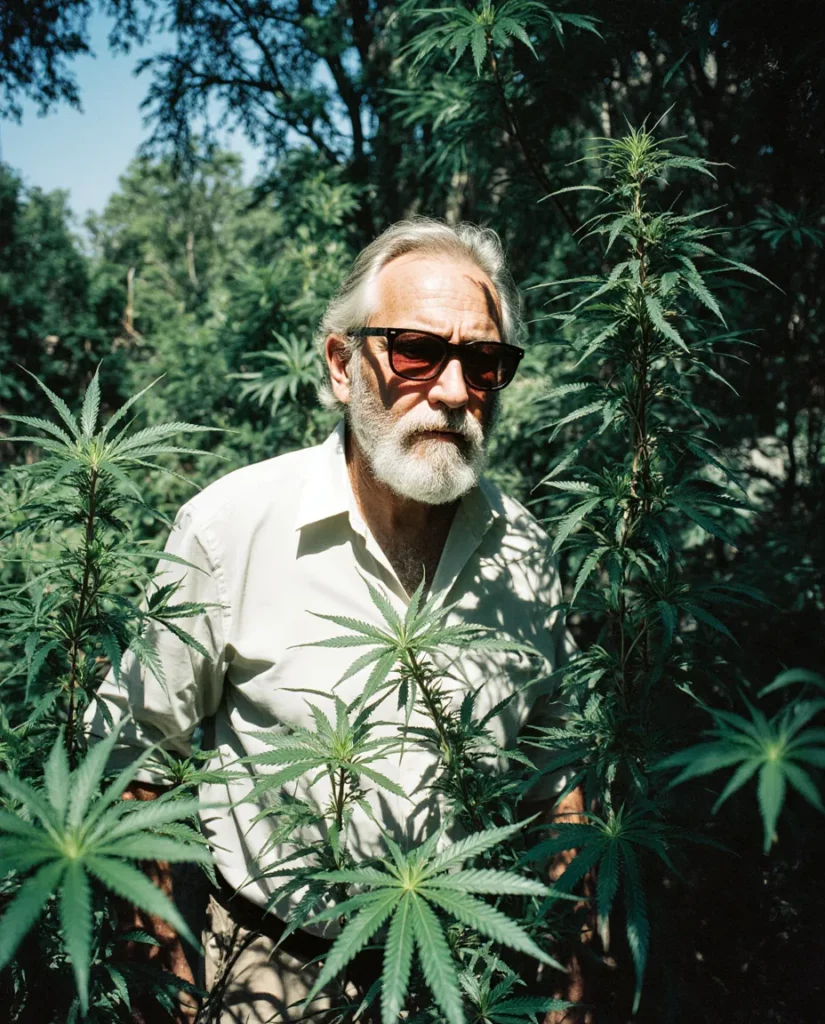
Veterans face unique and complex challenges after returning from service. Post-traumatic stress disorder (PTSD) affects between 11-20% of veterans who served in Operations Iraqi Freedom and Enduring Freedom, about 12% of Gulf War veterans, and approximately 30% of Vietnam veterans during their lifetime (National Center for PTSD, 2023). These statistics likely underrepresent the true prevalence, as many veterans never seek formal diagnosis.
PTSD and related conditions manifest through several debilitating symptoms:
Sleep disturbances represent one of the most common and debilitating symptoms. According to research from the VA’s National Center for PTSD, up to 90% of veterans with PTSD report sleep problems, with nightmares affecting 71-96% of those diagnosed (Germain, 2013). This chronic sleep deprivation creates a cascade of secondary problems affecting mood, cognitive function, and physical health.
Hypervigilance—a state of heightened alertness—persists for many veterans long after leaving dangerous environments. A 2020 study in the Journal of Traumatic Stress found that hypervigilance was associated with increased cardiovascular reactivity, contributing to the higher rates of cardiovascular disease among veterans with PTSD (Kibler et al., 2020).
Traditional treatments, including trauma-focused psychotherapies like Cognitive Processing Therapy (CPT) and Prolonged Exposure (PE), along with medications such as SSRIs, show efficacy rates between 50-70% (VA/DoD Clinical Practice Guideline for PTSD, 2017). However, these statistics mean that 30-50% of veterans continue to struggle despite receiving evidence-based treatments. Additionally, dropout rates for these therapies range from 18-32%, often due to the intensity of confronting traumatic memories (Steenkamp et al., 2015).
This treatment gap—between what conventional approaches offer and what many veterans experience—has led to exploration of alternatives, including cannabis microdosing. Veterans often describe this exploration not as rejecting conventional care but as supplementing it, searching for a more complete approach to wellness that addresses symptoms inadequately managed by traditional methods.
The VA’s Position: Policies and Limitations
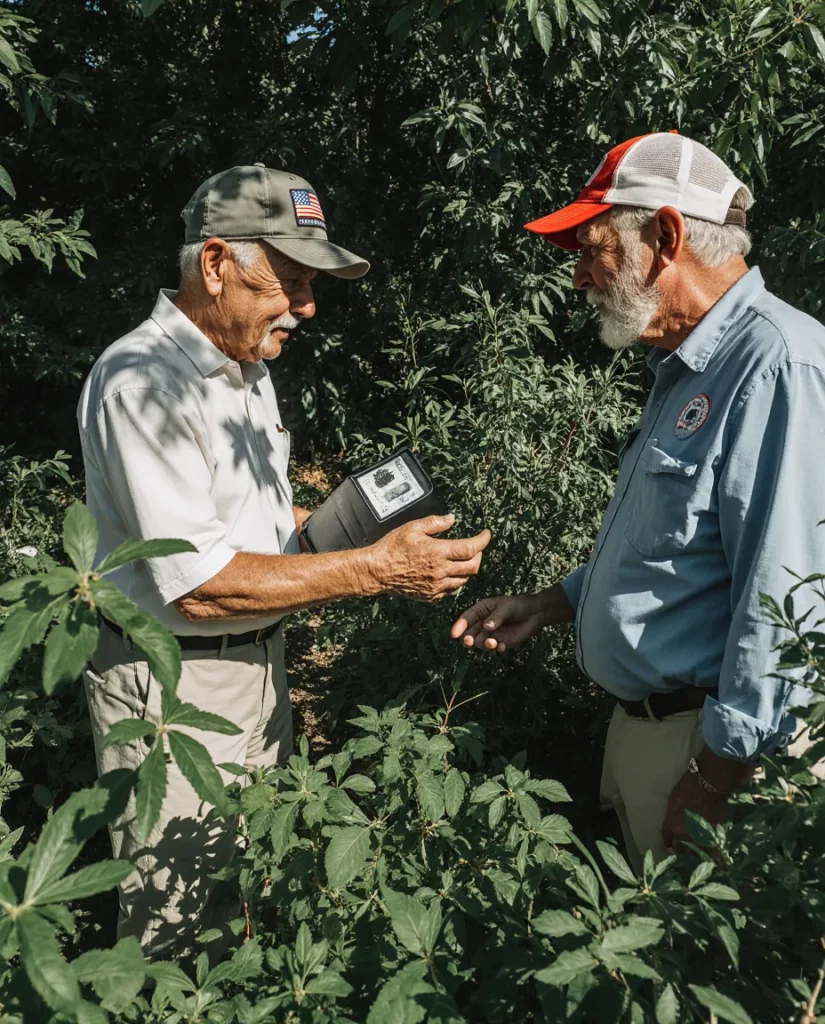
The VA finds itself in a complex and constrained position regarding cannabis, even as veteran interest grows. Several institutional, legal, and scientific factors shape their cautious approach.
Federal Classification Constraints
Cannabis remains classified as a Schedule I substance under the Controlled Substances Act, placing it in the most restricted category alongside drugs considered to have “no currently accepted medical use and a high potential for abuse” (DEA, 2023). This classification persists despite 38 states and the District of Columbia having legalized medical cannabis in some form.
As a federal agency, the VA must operate within federal guidelines regardless of state-level cannabis legalization. VA directive 1315 explicitly states that “VA providers may not recommend medical marijuana,” and VA pharmacies cannot fill prescriptions for it (Department of Veterans Affairs, 2017). VA facilities cannot permit cannabis use on their premises, even in states where it is legal, creating significant practical barriers for veterans who might benefit.
This creates a paradoxical situation where a veteran might legally use cannabis under state law but cannot meaningfully discuss this treatment option with their VA healthcare provider. According to a 2019 survey by the American Legion, 22% of veterans reported using cannabis to treat a medical condition, yet 83% of these users did not seek advice from their VA healthcare providers about their cannabis use (American Legion, 2019).
Research Limitations
The VA prioritizes evidence-based treatments with substantial research backing. For cannabis, particularly regarding veteran-specific conditions like PTSD, the research picture remains incomplete.
Conducting research on cannabis presents unique challenges:
- The Schedule I classification creates significant bureaucratic hurdles for researchers
- Until recently, researchers could only use cannabis grown at the University of Mississippi, which often differs substantially from commercially available products
- Funding for cannabis research specifically targeting veteran issues has been limited
- Methodological challenges in standardizing dosing, delivery methods, and cannabinoid profiles complicate research efforts
A comprehensive review by the National Academies of Sciences, Engineering, and Medicine found “conclusive or substantial evidence” for cannabis efficacy in treating chronic pain, chemotherapy-induced nausea, and multiple sclerosis spasticity, but determined evidence for PTSD treatment was “limited” (National Academies, 2017). However, this review also noted significant barriers to conducting high-quality research.
Recent developments show progress. In 2021, the VA was authorized to conduct its first clinical trial examining the effects of cannabis on PTSD in veterans. This study, led by Dr. Sue Sisley, represents a significant shift but remains just one study after decades of restrictions (Multidisciplinary Association for Psychedelic Studies, 2021).
Policy Complications
Current VA policy creates practical complications for veterans who use cannabis. While the VA has clarified that veterans will not be denied benefits solely for using cannabis in states where it is legal (VA, 2017), many veterans still fear discussing their use.
This communication gap leads to fragmented care. A study in the Journal of the American Medical Association found that 41% of veterans who used cannabis did not disclose this to their healthcare providers, creating potential risks for medication interactions and uncoordinated care (Lehavot et al., 2020).
VA healthcare providers find themselves in difficult positions too. A survey of VA physicians found that 82% believed they should be able to discuss cannabis with patients, and 63% believed they should be able to recommend it in states where it is legal (Carlini et al., 2017). This creates ethical tension for providers who want to provide comprehensive care but must navigate restrictions that limit their ability to discuss all options with patients.
The result is a system where official policy and ground-level reality remain significantly misaligned, creating confusion and gaps in care for many veterans.
The Experience Gap: Veteran Reports vs. Official Stance

A significant disconnect exists between official policies and veterans’ reported experiences with cannabis microdosing. This gap reveals much about how information flows through veteran communities and how veterans navigate healthcare decisions outside institutional frameworks.
Veteran networks have become primary channels for sharing information about cannabis approaches. A 2022 study in the Journal of Cannabis Research found that 67% of veterans who used cannabis for medical purposes learned about it from other veterans rather than healthcare providers (Metrik et al., 2022). These networks include both formal organizations like the Veterans Cannabis Project and informal connections through social media, local meetups, and word-of-mouth.
“I learned more about managing my symptoms in one hour at a veteran support group than I did in years of official appointments,” explains Jennifer, an Army veteran. “Other vets understand in a way that even well-meaning doctors sometimes don’t.”
Surprisingly, older veterans and seniors represent a growing demographic embracing microdosing approaches. According to data from the Veterans Cannabis Project, veterans over 55 represent 37% of those reporting cannabis use for symptom management, with microdosing being the preferred method for 64% of this age group (Veterans Cannabis Project, 2022). Many who came of age during times when cannabis carried strong stigma have reconsidered their views based on personal experiences or witnessing changes in fellow veterans.
Veterans often describe becoming more proactive in their healthcare, navigating between official systems and community resources. This self-directed approach reflects skills developed during military service, including resourcefulness, adaptability, and determination to complete missions despite obstacles.
The resulting situation creates two parallel conversations:
- The official discourse: Bound by federal restrictions, institutional caution, and demands for rigorous evidence
- The veteran discourse: Based on lived experience, peer support, and pragmatic approaches to symptom management
This bifurcation creates both challenges and opportunities. The challenge lies in the fragmentation of care and potential risks when veterans cannot fully integrate their healthcare approaches. The opportunity exists in the rich experiential knowledge being generated within veteran communities, which could inform more responsive and effective institutional approaches if properly integrated.
Looking Forward: Potential Paths to Resolution
Several developments may eventually bridge the gap between veteran practices and VA policies, creating more integrated approaches to veteran care.
Research specifically examining cannabis effects on veteran PTSD continues to expand. The first FDA-approved study of smoked cannabis for PTSD in veterans, completed in 2019, showed promising preliminary results, with participants reporting a 75% reduction in PTSD symptoms (Multidisciplinary Association for Psychedelic Studies, 2020). Additional studies are underway, including:
- A VA-funded study at Wayne State University examining cannabis effects on trauma-related nightmares
- Research at the University of California San Diego comparing different CBD:THC ratios for PTSD symptoms
- A longitudinal study by the Colorado Department of Public Health tracking veterans using cannabis for PTSD over five years
Federal cannabis classification remains under review. In October 2022, President Biden directed the Secretary of Health and Human Services and the Attorney General to initiate a review of cannabis scheduling under federal law. This potential rescheduling could significantly impact VA policies by removing some research barriers and creating more flexibility in VA approaches (White House, 2022).
Veteran advocacy organizations have become more organized and effective in pushing for policy changes:
- The American Legion, representing 1.8 million veterans, has formally called for cannabis rescheduling and expanded research
- Veterans of Foreign Wars (VFW) adopted a resolution supporting medical cannabis access for veterans
- Organizations specifically focused on cannabis access for veterans have developed sophisticated advocacy approaches combining personal stories with policy expertise
State-level initiatives increasingly include provisions specifically for veterans. As of 2023, 17 states have enacted policies specifically addressing veteran access to medical cannabis.
Healthcare integration models are developing that better connect VA care with outside resources. The VA MISSION Act of 2018 expanded veterans’ ability to seek care outside the VA system, potentially creating pathways for more integrated approaches that include cannabis in states where it is legal (VA, 2019).
Conclusion
The contrast between veteran cannabis use and VA policy highlights a broader theme: the sometimes glacial pace at which institutions adapt to changing understanding and practices. Veterans, who have already demonstrated remarkable adaptability in their service, continue to show this quality in civilian life as they seek solutions that work for them, often outside established systems.
This situation reflects wider tensions in how we approach health and wellness as a society. Official systems necessarily move cautiously, requiring substantial evidence before changing course. Individual experiences, meanwhile, create immediate imperatives for those seeking relief or improvement. This gap between institutional timelines and personal needs creates friction but also drives innovation.
The research landscape is evolving, with more studies specifically examining cannabis effects on veteran-specific conditions. The Johns Hopkins Cannabis Science Laboratory, the University of California Center for Medicinal Cannabis Research, and the Multidisciplinary Association for Psychedelic Studies are all conducting veteran-focused cannabis research that may eventually influence policy. As one researcher noted, “We’re finally asking the right questions about cannabis and veterans, rather than assuming we already know the answers” (Bonn-Miller, 2022).
Veterans continue to support each other through formal and informal networks, sharing information, resources, and encouragement. These community approaches fill gaps left by official systems, demonstrating the resilience and resourcefulness of the veteran community. As one veteran put it: “We learned in service that sometimes you have to adapt to complete the mission. This is just another mission.”
As research evolves and policies potentially shift, the hope is that the gap between official stances and veteran experiences will narrow, creating more integrated approaches to veteran wellbeing. Until then, veterans continue to form communities, share information, and support each other—as they have always done.


Guide to Understanding the Benefits of Muscimol Gummies

Is It Okay to Visit Gyms and Fitness Centers While High on Delta-9
Fall Cannabis Trends 2025: Microdosing, Mushrooms, Vapes

Microdosing Revolution: The Secret Behind Microdose Delta 8 THC

Meditation & Microdosing Weed: How to Create a Mindful Session

Microdosing for Focus: Morning Rituals That Work

Uncovering the Secrets of THCA

Discover the Best Terpenes for Sleep and Relaxation

Microdose Schedules for Sleep: Age-Specific Protocols 40-60+
All Posts
