



Weed Smells Like Ammonia Or Hay? Cannabis Aroma Red Flags

- Normal Cannabis Aroma: Generally, fresh cannabis should have a clear, pleasant smell unique to its strain (skunk, pine, lemon, etc.). Moreover, aromatic terpenes create that scent. Conversely, weak or no smell usually means the bud is old or poorly cured.
- Ammonia Odor = Red Flag: A sharp ammonia or cat-urine smell signals a problem. Specifically, it usually means the cannabis was not dried or cured properly, allowing bacteria to produce ammonia. Consequently, incompletely cured weed can contain ammonia at unsafe levels.
- Hay or Grass Smell: A grassy, hay-like scent shows the buds dried too quickly or did not cure long enough. In that case, chlorophyll did not break down fully. Therefore, it is not as dangerous as mold, but the weed will taste harsh and lose potency.
- Musty or Mildew Scent: A damp, musty smell (wet basement or old hay) often means mold. As a result, moldy weed can harm lungs when smoked. Thus, avoid any product with mildew odor.
- Chemical or Off Smells: Chemical, solvent-like, or overly perfumy odors indicate contamination. For example, if your bud smells like cleaning products or artificial perfume, it might contain residual solvents or additives.
- Legal Use Only: Cannabis laws vary by jurisdiction. Therefore, purchase and use cannabis only where it is legal and only if you are 21 or older where required.
What Should Good Weed Smell Like?

Terpenes and Strain Profiles
Cannabis gives off a strong, distinctive aroma. Therefore, a fresh, pungent smell indicates a healthy, potent bud. Conversely, a faint or odd smell signals an issue with quality or storage.
Terpenes create a strain’s scent. For example, limonene gives citrus notes. In addition, pinene adds pine freshness. Meanwhile, myrcene brings earthy musk. Thus, good flower often shows a complex bouquet.
Storage and Potency
A strong aroma usually means growers and processors preserved terpenes. However, heat, light, and air degrade terpenes over time. As a result, poor storage makes buds smell stale and weak.
If a jar gives a rich whiff that matches the strain description, the bud is likely fresh. Conversely, if it smells faint or odorless, it likely lost potency and flavor.
Use your nose. In short, smell remains one of the best quick checks for cannabis quality.
Weed Smells Like Ammonia or Hay – What Does It Mean?
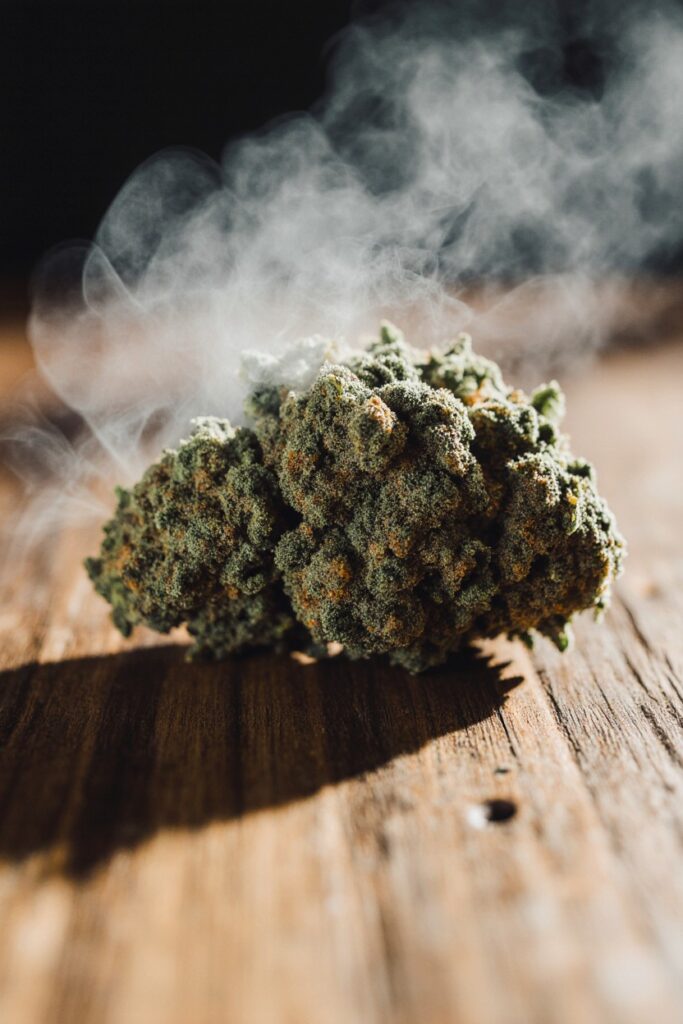
Ammonia and hay odors point to post-harvest problems. In particular, they do not belong in a normal terpene profile. Typically, these smells mean issues with curing, moisture, or contamination.
Buds that dry too fast often smell grassy at first. Then, if moisture stays high, anaerobic bacteria can grow. Consequently, those bacteria can produce ammonia as plant material breaks down.
Ammonia Odor: Improper Cure or Bacterial Growth
An ammonia-like scent (similar to cat urine or window cleaner) signals a problem. In short, cannabis should not smell like ammonia. When it does, the post-harvest process likely failed.
The usual cause is curing buds while they remain too wet. Specifically, if growers seal jars without enough burping, microbes find an oxygen-poor, moist environment. As a result, those microbes produce ammonia as a waste product.
That sharp chemical note often comes from anaerobic bacteria feeding on the bud. Therefore, such cannabis can irritate the throat and lungs when smoked.
Studies have found high ammonia in some incompletely cured samples. Consequently, that level can pose health risks. Thus, do not consume weed that smells strongly of ammonia.
Even if you do not see mold, ammonia indicates compromised quality. Therefore, return or discard the product.
Hay or Grass Smell: Rushed Drying & Curing
A hay-like smell (freshly mowed lawn or dried grass) usually means rushed drying or short curing. In other words, you are smelling leftover chlorophyll and other green compounds.
When growers dry buds too fast, chlorophyll does not break down. As a result, that leaves a grassy, planty odor. Consequently, the result tastes harsh and lacks complexity.
Hay-scented weed is a quality issue rather than an immediate safety hazard. Still, it will smoke harsher and may deliver lower potency.
You can try to improve such buds by re-curing them. For example, seal the flower in a glass jar with a humidity pack and open the jar daily for a few weeks. Often, the grassy smell fades as chlorophyll breaks down. ¨C33C
Musty or Mildew Odor = Moldy Weed Warning

A musty, mildew-like odor on cannabis often indicates mold. If it smells like a damp basement, wet towel, or old cheese, the buds may be contaminated.
Mold grows when growers or storers expose buds to high humidity. For instance, powdery mildew and Botrytis (bud rot) commonly infest cannabis. These fungi sometimes hide inside flower.
Your nose can detect mold even when you cannot see it. In that case, a funky, sweet must or rot smell signals contamination. Therefore, do not smoke that product.
Smoking moldy weed exposes you to spores and mycotoxins. These can irritate lungs and cause infections or allergic reactions. In particular, people with weak immune systems or asthma face higher risk.
Picking off visible mold does not make the bud safe. Indeed, microscopic filaments can penetrate the whole flower. Thus, the safe action is to discard moldy-smelling or moldy-looking cannabis.
To prevent mold, store cannabis at moderate humidity near 60% RH. Also, never seal up buds that remain wet. If you detect mildew, return or discard the product.
Chemical or Unusual Odors: When Weed Smells Wrong
Cannabis should smell natural and plant-like. However, if the bud smells like strong chemicals or synthetic perfume, treat that as a major red flag.
Chemical or solvent-like smells can point to contamination. For example, concentrates most often retain solvent traces. Conversely, flower can also carry residues if growers used heavy pesticides or did not flush properly.
A gasoline or chemical scent could mean excessive pesticides or leftover fertilizers. Alternatively, it could indicate incomplete removal of extraction solvents. In either case, such contaminants can cause headaches or nausea when inhaled.
Some sellers mask low-quality weed with scents. For instance, they may spray buds with perfume or use fabric softener sheets. Consequently, artificial fragrances produce an odd, perfumy scent. Therefore, avoid those products.
Certain strains can smell unusual, for example diesel-like notes in diesel strains. Use context. If the smell does not match the strain, do not risk it.
An odorless bag can also warn of tampering. Indeed, good weed rarely becomes fully odorless. Vacuum sealing or chemical suppression can remove aroma. That may signal transport masking or old, dry product.
In short, reject any bud that smells of acetone, bleach, plastic, or artificial perfume. Instead, choose lab-tested products from reputable sources.
Conclusion
Cannabis aroma serves as a freshness and safety check. If your weed smells skunky, piney, or fruity as expected, it likely is good. However, if it smells of ammonia, hay, mold, or chemicals, avoid it. Finally, follow local laws and consume only where legal.


Weed and Beer: Effects, Risks & Safety When Mixing

Why Do I Get Extra Chatty or Utterly Shy When High?

Do Certain Strains Unlock Hidden Abilities or Boost Creativity?

A Beginner’s Guide to Safely Experiencing Psilocybin Mushrooms

How to Try Cannabis Comfortably and Safely for the First Time

Can You Ride a Bike, Scooter, or Skateboard After Using Cannabis?

Durban Poison Mango Kush and Blue Dream: Exotic Strains You Must Try

Safe Ways of Consuming Various Cannabinoids

Discover the Best Terpenes for Sleep and Relaxation
All Posts
