



What Does It Mean to Mix Cannabis Strains?
Mixing strains means combining two or more cannabis varieties in the same joint. Each strain has unique cannabinoid profiles (primarily THC and CBD) and terpene compositions that determine effects, aroma, and flavor. Think of it like mixing coffee beans for a custom blend or combining cocktail ingredients for a unique drink.
When you mix strains, you create your own custom hybrid. The resulting experience reflects the combined properties of all included strains. However, exact effects vary based on your ratios and how compounds interact within your body.
Why Do People Mix Different Strains?
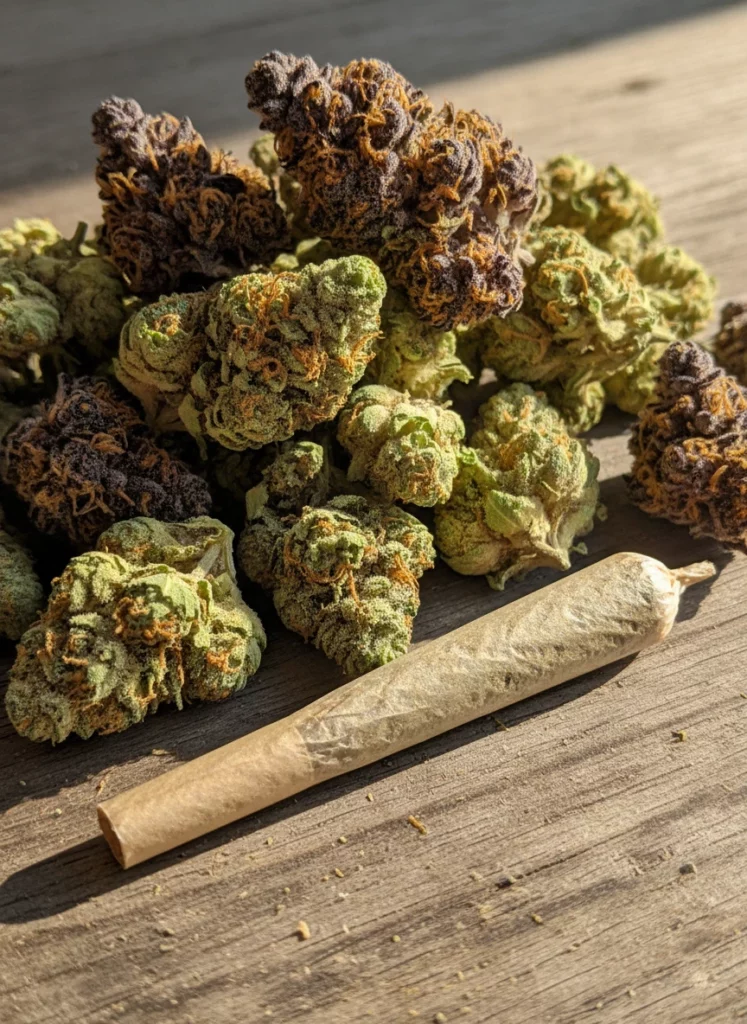
Customizing the Experience
Cannabis enthusiasts mix strains primarily to tailor effects to specific preferences or activities. Maybe your potent indica is too sedating for daytime, while your energizing sativa feels too racy. Combining them in the right ratio creates that perfect middle ground – alert yet relaxed.
Exploring Flavor Profiles
Terpenes give each strain its distinctive smell and taste. Some strains offer citrusy notes, others earthy or piney aromas, and some provide sweet, fruity flavors. Mixing strains with complementary terpene profiles creates complex, layered tastes more interesting than single-strain smoking. It’s like creating a flavor symphony in your joint.
Maximizing Limited Supply
Running low on your favorite strain? Mixing it with another stretches your supply while maintaining beloved characteristics. This practical approach lets you enjoy what you have while discovering new combinations.
The Entourage Effect
Cannabis contains hundreds of compounds working together synergistically – the entourage effect. Mixing strains with different cannabinoid and terpene profiles might create more complex entourage effects. This produces unique or enhanced experiences compared to single strains.
How to Mix Cannabis Strains Effectively
Start with Complementary Strains
Beginners should start with strains having complementary rather than opposing characteristics. Consider your goals. For balanced daytime experiences, try mixing moderate sativas with mild indicas. For enhanced relaxation without complete sedation, combine two different indica-dominant strains with varying terpene profiles.
Pay Attention to Ratios
Strain ratios significantly impact outcomes. A 50/50 split creates true blends, while 70/30 or 80/20 ratios let one strain dominate with subtle notes from the other. Experiment with different ratios to find what works best. Keep notes on combinations so you can replicate successful blends.
Consider Potency Levels
Be mindful of THC content in each strain. Combining two high-potency strains results in very strong joints that might overwhelm those with lower tolerance. When mixing high-THC strains with lower-potency varieties, adjust ratios accordingly to achieve desired intensity.
Grind and Mix Thoroughly
For even burning and consistent experiences, grind each strain separately first. Then mix them thoroughly before rolling. This ensures uniform blends throughout joints rather than experiencing one strain initially and another at the end.
Popular Strain Combinations to Try
Certain combinations have become popular within cannabis culture. Here’s a reference guide:
Common Mixing Approaches
| Combination Type | Example Pairing | Expected Experience |
|---|---|---|
| Balanced Hybrid | Sativa + Indica (50/50) | Alert yet relaxed, suitable for various activities |
| Flavor Enhancement | Citrus strain + Berry strain | Complex, fruity flavor profile with layered effects |
| Potency Modulation | High-THC strain + CBD-rich strain | Reduced intensity, smoother experience |
| Evening Wind-Down | Two different Indicas | Deep relaxation with nuanced flavors |
Some enthusiasts mix strains with similar terpene profiles (like combining two myrcene-rich strains) for amplified effects. Others prefer contrasting terpenes for complexity. There’s no wrong approach – it’s about personal preference and experimentation.
Things to Consider When Mixing Strains
Individual Tolerance Varies
What works perfectly for one person might be too strong or mild for another. Your personal tolerance, body chemistry, and experience level all affect how you respond to mixed strains. Always start conservatively when trying new combinations, especially with particularly potent varieties.
Quality Matters
Individual strain quality determines blend quality. Mixing fresh, properly cured flowers yields better results than combining old, dried-out material. Source cannabis from reputable vendors providing lab testing and proper storage to ensure quality ingredients.
Strain Information Helps
Knowing each strain’s characteristics – including dominant terpenes, cannabinoid content, and typical effects – helps you make informed blending decisions. Many dispensaries and vendors provide detailed product information. Take advantage of this data when selecting strains to combine.
Keep It Simple at First
While creating complex blends with three, four, or more strains is tempting, start with just two. This makes understanding strain interactions easier and helps identify which combinations work best before adding more variables.
The Cultural Side of Strain Mixing
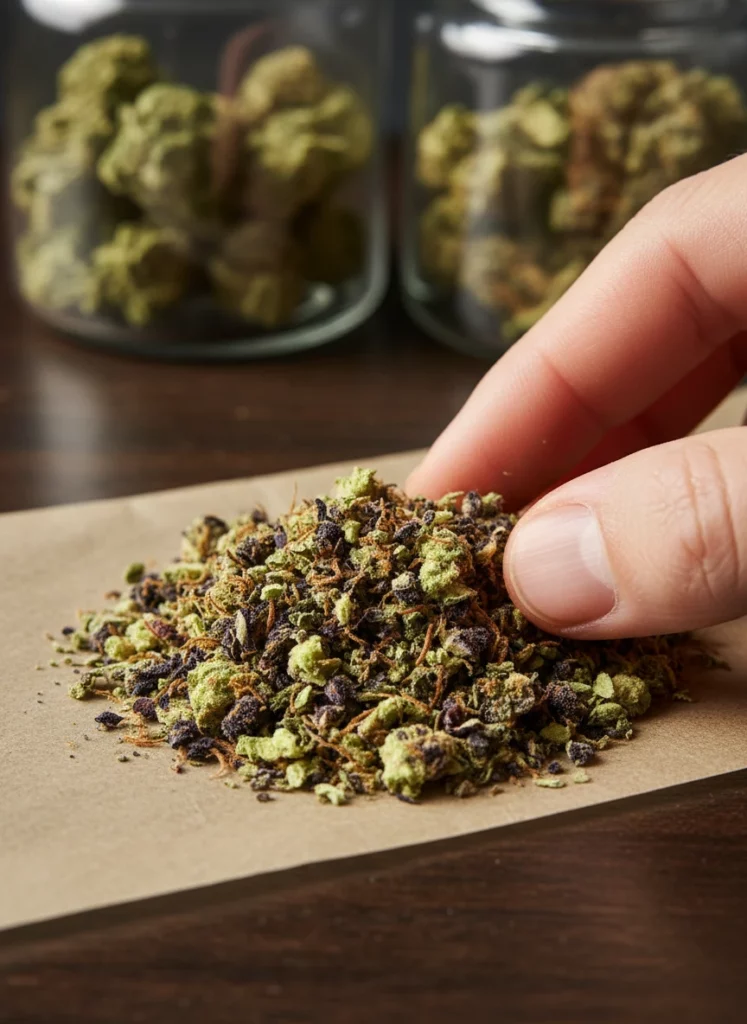
Mixing strains isn’t just practical – it’s become a social and cultural practice within cannabis communities. “Salad bowls” (mixed strain bowls) and “smoothie joints” have become conversation starters at sessions. Enthusiasts share favorite combinations and discover new blends together.
This collaborative approach reflects broader trends toward customization and experimentation in cannabis culture. Just as craft cocktails and specialty coffee have devoted followings, mixed-strain joints represent more sophisticated, intentional approaches to cannabis consumption beyond simply getting high.
Conclusion
Mixing different strains in one joint offers creative and practical ways to customize your cannabis experience. Whether seeking balanced effects, exploring new flavor combinations, or making the most of available supply, strain mixing provides endless experimentation possibilities. Remember that cannabis legal status varies by U.S. state, and this content is intended for adults 21 and older only.


Festival Mode: Elevating Your Summer Experience with Edibles

Economic Effect of Cannabis Legalization on States and Tourism

Cannabis in Rituals of Modern Paganism and Neo-Druidism

GSC vs Gelato: Parent-Child Cannabis Strain Comparison
Greening Out: Cannabis Overdose Symptoms & Recovery Steps

Mindful Highs: How Cannabis Can Elevate Your Meditation and Self-Discovery

Can You Vape in Coworking Spaces

Why is weed making it hard to fall asleep, and isn’t it supposed to help?

Why Doesn’t Weed Work as Well as It Used to?
All Posts
