


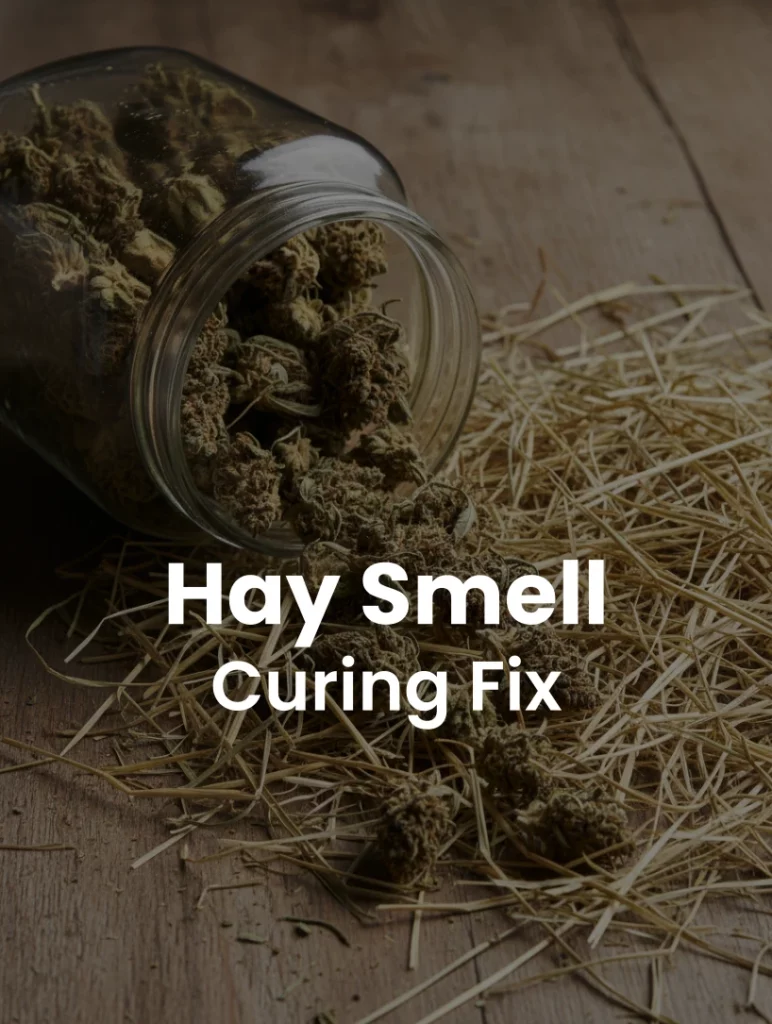
The Science Behind the Smell
Chlorophyll and the Curing Process
When cannabis is harvested, it remains living plant material packed with chlorophyll – the green pigment enabling photosynthesis. Fresh cannabis initially smells somewhat grassy, but proper curing allows chlorophyll to break down gradually while preserving delicate terpenes that give each strain its unique aroma. When this process is rushed or done incorrectly, that dominant chlorophyll smell resembling hay or cut grass persists.
Think of curing like aging fine wine or cheese. It’s a controlled decomposition process that brings out the best qualities while eliminating harsh, unpleasant characteristics. Skip or botch this crucial step, and you’re essentially consuming plant matter that hasn’t properly transformed.
The Role of Terpenes
Terpenes are aromatic compounds that give cannabis its diverse smell profiles – from citrusy limonene to piney pinene to earthy myrcene. These compounds are incredibly volatile and sensitive to environmental conditions. When cannabis is exposed to excessive heat, light, or improper humidity during drying and curing, these terpenes degrade or evaporate, leaving only that basic chlorophyll smell.
Quality cannabis should hit your nose with complexity. If all you’re getting is hay, the terpene profile has likely been decimated. Research shows that terpenes begin degrading rapidly above 70°F, and exposure to light accelerates this process significantly.
Common Causes of Hay-Smelling Weed

Rushed or Improper Drying
The most frequent offender is drying cannabis too quickly. Many amateur growers – or commercial operations trying to rush product to market – will dry their harvest in overly warm conditions with excessive airflow. While this removes moisture fast, it doesn’t allow for proper chlorophyll breakdown.
Proper drying should happen slowly in a cool, dark environment with controlled humidity (typically 60-65% RH at 60-70°F). This process usually takes 7-14 days. Rush it, and you sacrifice quality. The ideal drying room maintains consistent temperature and humidity while providing gentle air circulation without directly blowing on the flowers.
Inadequate Curing Time
Even if drying goes well, skipping or cutting short the curing process leaves you with subpar results. Curing involves storing dried buds in airtight containers (typically glass jars) and “burping” them regularly to release moisture and allow continued chlorophyll breakdown. This process can take anywhere from two weeks to several months.
Many commercial operations lack the luxury of time, so they rush product to dispensary shelves before proper curing. This explains why some freshly purchased weed smells grassy. Industry pressure to maintain inventory flow often conflicts with quality standards that require patience.
During the first two weeks of curing, jars should be opened daily for 5-10 minutes. After that, burping can be reduced to weekly intervals. This gradual moisture release prevents mold while allowing chemical processes to continue transforming the flower.
Poor Storage Conditions
Properly dried and cured cannabis can still be ruined by improper storage. Exposure to heat, light, and air degrades terpenes over time. Weed stored in plastic baggies in hot cars or left in clear jars on sunny windowsills loses its aromatic complexity and develops that stale, hay-like smell.
Cannabis should be stored in airtight, opaque containers in cool, dark places. Think of it like storing coffee beans – protect it from elements that degrade quality. Glass jars with rubber seals work best, paired with humidity packs (62% RH) to maintain optimal conditions. Stored properly, cannabis can retain quality for 6-12 months or longer.
Premature Harvesting
Sometimes the problem starts at harvest time. Cannabis harvested before trichomes fully mature may lack complete terpene development that creates rich, desirable aromas. Premature buds often smell grassy because they never had the chance to develop their complete chemical profile.
Growers should wait until trichomes show the right mix of clear, cloudy, and amber coloring – typically when most trichomes are cloudy with some turning amber. Harvesting too early not only affects aroma but also potency and overall cannabinoid profiles.
What You Can Do About It
If You’re Growing
Invest in proper drying and curing setup. Use a hygrometer to monitor humidity levels, maintain appropriate temperatures, and most importantly, be patient. Those extra weeks of curing transform mediocre flower into something genuinely enjoyable. Don’t rush the process to get to consumption faster.
Set up a dedicated drying space with consistent conditions. Consider investing in a small dehumidifier or humidifier to maintain stable humidity. Keep detailed notes about timing and conditions so you can refine your process with each harvest.
If You’re Buying
Learn to recognize quality before purchasing. If buying from a dispensary, ask about curing processes and try to purchase from brands known for quality control. If the budtender lets you smell before buying, trust your nose – fresh, properly cured cannabis should smell vibrant and complex, not like lawn clippings.
Unfortunately, in unregulated markets, quality can be hit-or-miss. Building relationships with reliable sources who take pride in their product is your best bet. Don’t be afraid to ask questions about growing and curing methods. Knowledgeable producers will happily discuss their processes.
Can You Fix Hay-Smelling Weed?
If stuck with hay-smelling cannabis, you have limited options. You can try “re-curing” by adding buds back into glass jars with humidity packs (like Boveda or Integra Boost) set at 62% RH and letting them sit for a few weeks. This won’t magically restore lost terpenes, but it can sometimes improve overall quality if damage isn’t too severe.
Realistically though, if terpenes are already gone, they’re gone. The experience will be less flavorful and aromatic than properly cured flower, though it should still be consumable. Some people add citrus peels or herb sprigs to jars to impart aroma, but this doesn’t restore original terpenes and carries mold risk if not done carefully.
Quality Indicators: What Good Weed Should Smell Like
| Strain Type | Common Aroma Profiles | What to Avoid |
|---|---|---|
| Indica-Dominant | Earthy, musky, sweet, grape, berry | Musty, moldy, hay-like |
| Sativa-Dominant | Citrus, pine, diesel, tropical fruit | Grass clippings, no aroma |
| Hybrid | Varied combinations, floral, spicy | Chemical, ammonia, hay |
Properly cured cannabis should immediately announce itself with pleasant, distinctive aroma when you open the container. The smell should be strong enough to notice but not overwhelmingly harsh or chemical-like. Each strain has its signature profile, and properly handled flower will showcase these characteristics clearly.
The Bottom Line on Quality

That hay smell is your flower’s way of telling you it didn’t get the treatment it deserved. Whether you’re a grower or consumer, understanding the importance of proper drying, curing, and storage is essential for getting the most from your cannabis experience. The difference between mediocre and exceptional flower often comes down to patience and proper technique during post-harvest phases.
While hay-smelling weed won’t harm you, it represents a compromised experience. You’re missing out on the full spectrum of aromas and flavors that make each strain unique. As the cannabis industry continues maturing and consumers become more educated, quality standards are rising. Don’t settle for barnyard bouquets when you could enjoy the full aromatic symphony that properly handled cannabis offers.
Conclusion
That disappointing hay or grass smell in cannabis almost always results from rushed or improper drying and curing processes that fail to allow chlorophyll to break down while preserving precious terpenes. Whether it’s commercial operations cutting corners or amateur growers lacking knowledge, the outcome is the same: compromised quality and less enjoyable experience. Content provided is for educational purposes only and intended for adults 21 years and older. Cannabis legal status varies by state – please verify local regulations before purchasing or consuming.


How to Hide the Smell of Cannabis at Home

The Best Cannabis Products for Enjoying Movies and TV Shows

Lemonade Cake Strain Hybrid with Sweet Zesty Kick

Decoding Your Dreams: Jungian Dream Analysis turbocharged with THCP and Delta-9

Shaman: The Elusive Cannabis Strain Experience

Can You Identify a Strain by Smell? Why It Doesn’t Work

Tropicana Strain Zesty Twist on a Cannabis Classic

What if I Get Way Too High?

Why Am I Bored After Smoking?
All Posts
