



The Science Behind Cannabis Aromas
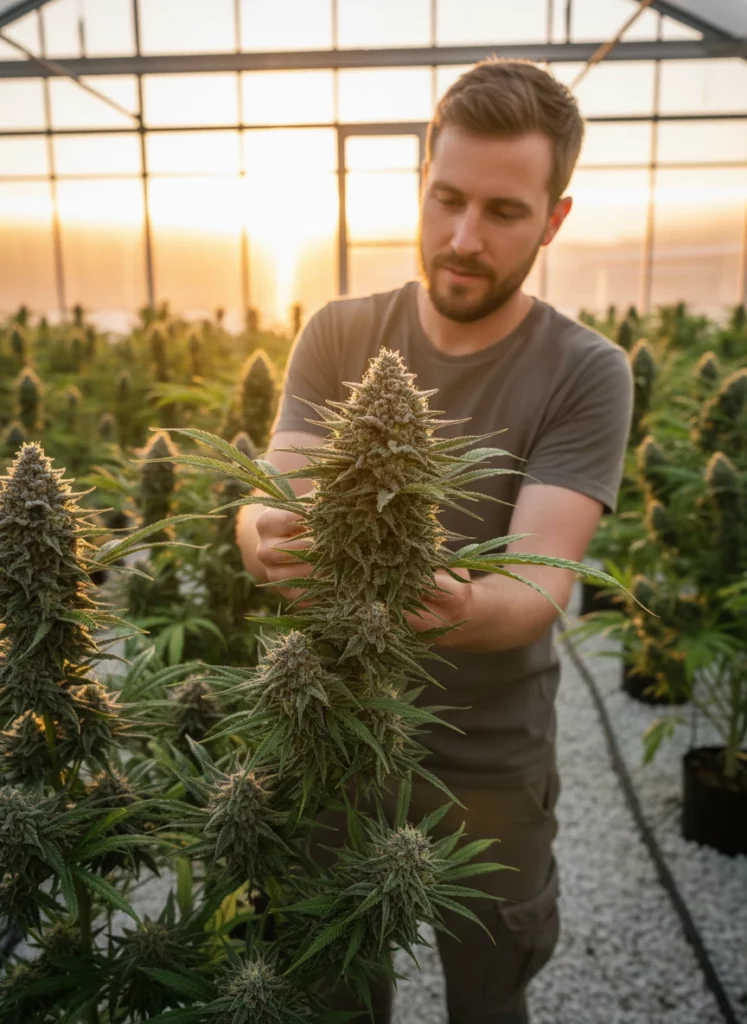
Cannabis produces over 200 different terpenes, though only a handful dominate in most strains. These organic compounds aren’t unique to cannabis – they’re found throughout the plant kingdom. Lavender gets its floral notes from terpenes, citrus fruits their zing, and pine trees their forest smell. In cannabis, terpenes work alongside cannabinoids to create the “entourage effect.”
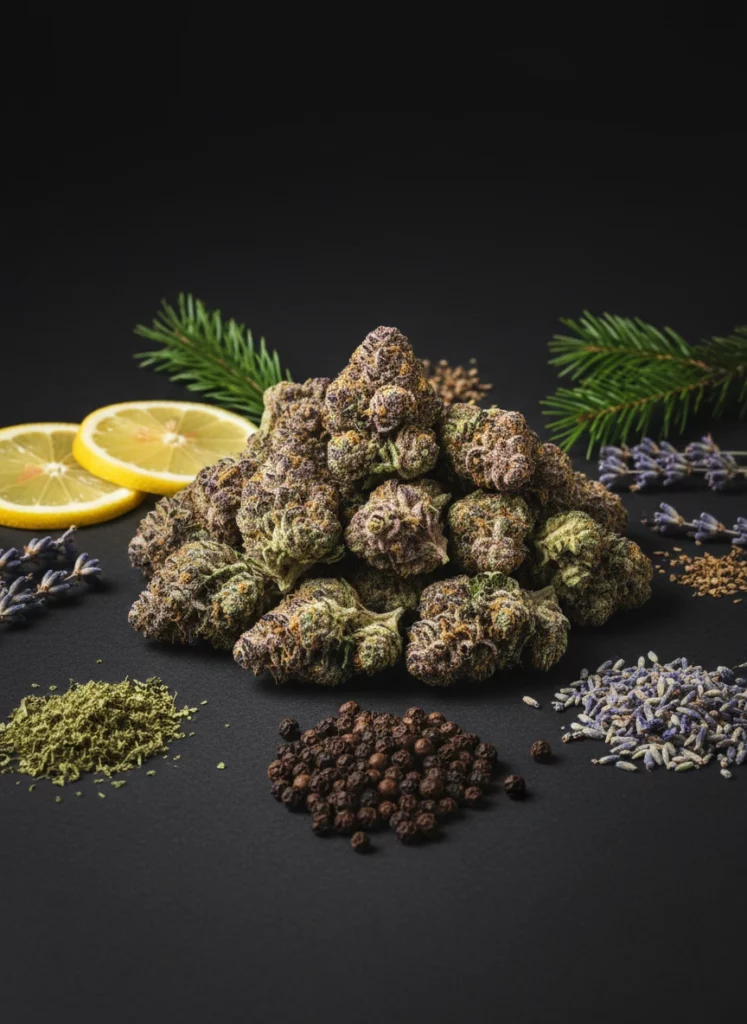
The most common terpenes include myrcene (earthy, musky), limonene (citrus), pinene (pine), caryophyllene (peppery, spicy), and linalool (floral). Each strain contains a unique combination in varying concentrations. This terpene profile gives Tangie its orange-peel aroma, Pineapple Express its tropical sweetness, or Sour Diesel its pungent fuel-like smell.
Terpene profiles aren’t fixed, even within a single strain. A batch of Blue Dream grown indoors in California might smell noticeably different from the same strain grown outdoors in Oregon. Temperature, humidity, soil composition, light exposure, and nutrient schedules all influence terpene production.
The Reality of Strain Identification by Smell
Despite what confident budtenders or self-proclaimed experts might claim, identifying a specific strain by smell alone is extremely difficult. The cannabis industry has a dirty little secret: strain names are often marketing tools rather than precise genetic identifiers. There’s no standardized registry ensuring that Girl Scout Cookies from one dispensary is genetically identical to GSC from another.
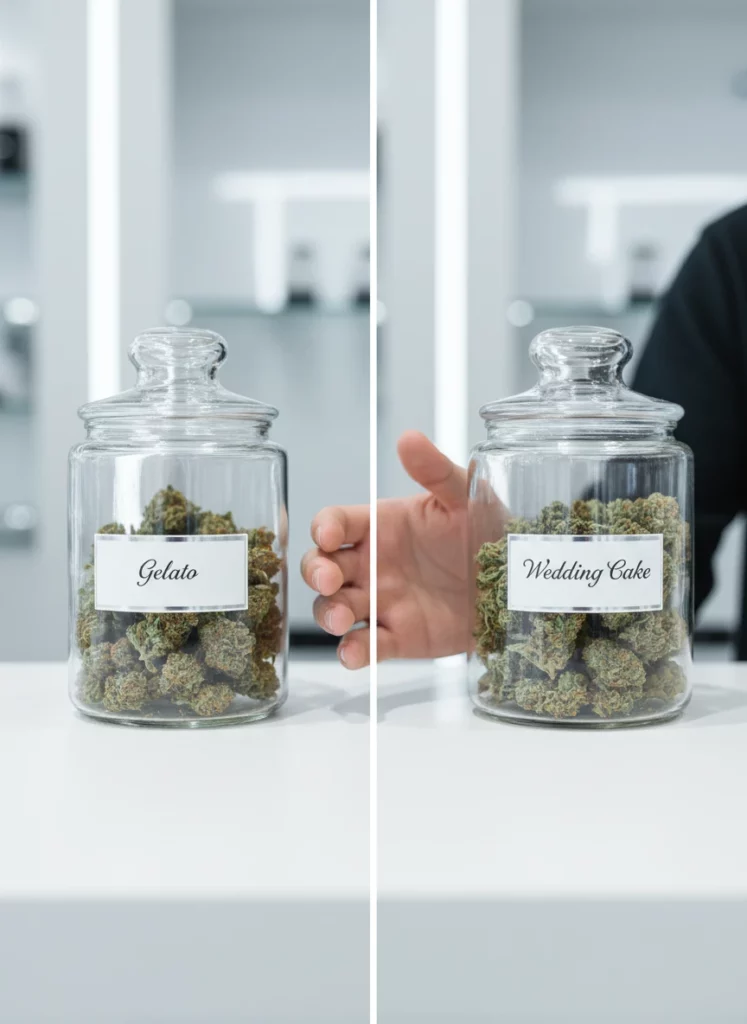
Genetic drift and phenotypic variation mean two plants from the same seed batch can express different characteristics, including aroma. White-label strains get rebranded with popular names constantly. What one grower calls Gelato might smell completely different from another’s version.
Laboratory testing typically focuses on cannabinoid content (THC, CBD) rather than comprehensive terpene profiling. While some premium products now include terpene percentages on labels, this detail isn’t yet industry standard.
What You Can Actually Tell from the Smell
While pinpointing an exact strain might be impossible, aroma tells you plenty of useful information. Smell is an excellent indicator of quality and freshness. Properly cured, high-quality flower should have a robust, complex aroma. If it smells like hay, grass clippings, or nothing at all, that’s a red flag.
You can identify broad aromatic families that suggest certain characteristics. Flowers with strong citrus notes (limonene-dominant) tend to have uplifting, energizing qualities. Earthy, musky aromas (myrcene-forward) often indicate more relaxing effects. Peppery, spicy scents (caryophyllene) might suggest physically soothing experiences.
Certain terpenes can hint at the flower’s lineage. Diesel aromas often indicate Chemdawg or OG Kush genetics. Sweet, fruity notes might suggest Cookies or Gelato family strains. But again, this is educated guessing about genetic families, not precise strain identification.
Common Terpene Profiles and Their Aromas
| Terpene | Aroma Profile | Commonly Found In | Also Found In |
|---|---|---|---|
| Myrcene | Earthy, musky, herbal | OG Kush, Blue Dream, Granddaddy Purple | Mango, lemongrass, thyme |
| Limonene | Citrus, lemon, orange | Lemon Haze, Tangie, Wedding Cake | Citrus rinds, juniper, peppermint |
| Pinene | Pine, wood, herbs | Jack Herer, Pineapple Express, Blue Dream | Pine needles, rosemary, basil |
| Caryophyllene | Pepper, spice, wood | GSC, Sour Diesel, Chemdog | Black pepper, cinnamon, cloves |
| Linalool | Floral, lavender, sweet | Zkittlez, Do-Si-Dos, Lavender | Lavender, coriander, mint |
The Art vs. Science Debate

Some cannabis professionals with years of experience claim they can narrow down strains or strain families with impressive accuracy. Master growers, veteran budtenders, and cannabis sommeliers have trained their noses to detect subtle aromatic nuances. They’re not necessarily identifying exact strains, but recognizing genetic lineages, growing styles, and quality markers.
Think of it like wine tasting. An expert sommelier might identify a wine as a Napa Valley Cabernet Sauvignon from a specific region and approximate vintage. They’re not reading the label from smell alone. They’re drawing on knowledge of terroir, typical production methods, and characteristic flavor profiles.
The same applies to cannabis. An experienced nose might smell diesel fuel and earthy undertones and say, “This has strong OG genetics.” Or detect sweet, doughy notes and identify “Cookies family lineage.” This is impressive pattern recognition based on experience, not definitively identifying a specific batch from a specific producer.
Why Strain Names Can Be Misleading
Lack of standardization in the cannabis industry means strain names create more confusion than clarity. Popular names get slapped on products that may have little genetic relationship to the original. A strain might start as a specific phenotype in one breeder’s garden, then get crossed, backcrossed, and renamed countless times as it spreads through the market.
Many modern strains are polyhybrids – complex crosses of multiple genetics. A strain might be 25% OG Kush, 25% Durban Poison, 25% Tangie, and 25% something else. How should it smell? The answer depends on which genetic traits expressed dominantly in that particular plant.
Environmental factors during growth dramatically affect the final product. The same clone grown in different conditions produces flowers with noticeably different aromas. Harvest timing matters too. Trichomes harvested earlier smell different from those harvested later, even on the same plant.
Tips for Developing Your Nose
Focus on developing your terpene vocabulary rather than memorizing strain smells. Smell your flower and try to identify individual components. Is it citrusy? Piney? Sweet? Earthy? Pungent? Over time, you’ll recognize patterns and families.
Keep notes on what you try, including photos of the label if possible. This builds your personal reference library. Pay attention to how different growing methods affect aroma. Compare hydroponic versus soil-grown, indoor versus outdoor, organic versus conventional.
Consider exploring terpene isolates or essential oils to train your nose. Smelling pure limonene, myrcene, or pinene helps you identify these components in complex aromatic blends. Many wine and perfume training techniques also apply to cannabis appreciation.
Conclusion
While cannabis culture celebrates identifying strains by smell, precise identification remains nearly impossible. Terpene profiles vary too much based on cultivation, curing, storage, and genetics. However, aroma remains one of the best indicators of quality, freshness, and general characteristics. Learning to identify terpene families enhances your appreciation and helps you find products you’ll enjoy. Remember that legal status varies by state, and this content is intended for adults 21 and over only.


Etiquette 101: Sharing a Hookah or Bong with Cannabis

New 2024 Cannabis Strains with Unique Traits

Cannabis Flavor Fatigue: Why Your Favorite Strains Taste Bland

Shariza: The Seductive Variety of Cannabis with its Special Charm

Biochem Cannabis Strain: A Complete Guide

Seasonal Cannabis Flavors Profiles And Products

GSC Strain Review: Effects, Genetics, and Cannabis Legacy

Oreoz vs MAC-1: Nighttime Cannabis Strain Effects Compared

Smoking Weed in Public Parks and Beaches: What Are the Rules?
All Posts
