



Why Does Weed Smell Gassy? (Terpenes & Chemistry)
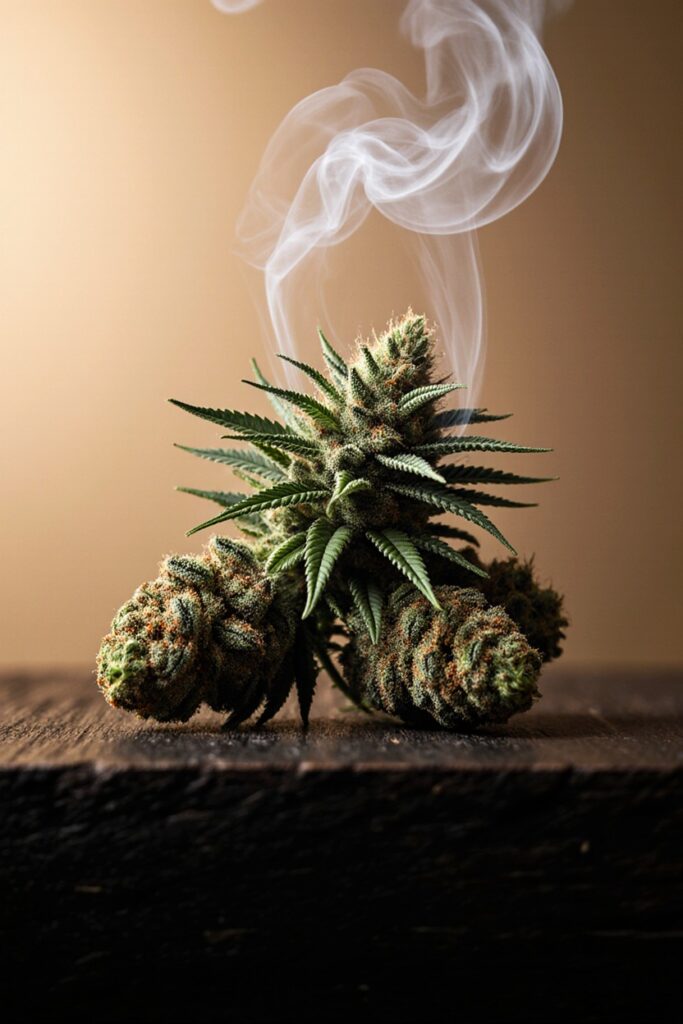
First, the gassy odor comes from the plant’s terpenes and related chemicals. Specifically, terpenes are aromatic oils in cannabis (and other plants) that give each strain its unique fragrance. Typically, gassy weed contains a mix of myrcene, limonene, and β-caryophyllene.
For example, myrcene forms an earthy, musky base. Meanwhile, caryophyllene adds a peppery kick. In contrast, limonene brings slight citrus overtones. When these terpenes appear in the right proportions, they create the complex diesel/fuel scent.
Moreover, trace amounts of volatile sulfur compounds amplify the effect. In practice, small sulfur molecules similar to those in onions or garlic add a sharp, diesel-like punch. Indeed, even parts-per-billion of these compounds can dominate our perception of skunky or gassy notes.
Furthermore, growers often see gassy aromas peak in late flower and during early curing because terpenes and sulfur compounds accumulate over time. Thus, a blend of spicy terpenes plus a touch of sulfur chemistry makes cannabis smell like fuel.
How Terpenes and Sulfur Interact
First, terpenes provide the scent scaffold. Then sulfur compounds sit on top of that scaffold and push the aroma toward diesel, petrol, or skunk. Additionally, chemical reactions during late flower and drying can produce more volatile sulfur species. As a result, those species accentuate the fuel note even when terpene levels stay constant.
Analytically, gas chromatography–mass spectrometry (GC-MS) shows terpene peaks and small sulfur traces that correlate with a “gassy” sensory profile. Therefore, labs use this data to map which combinations produce the strongest diesel impressions.
Examples of Gassy Strains

Several famous strains show that diesel scent. For example, Chemdawg (originally “Chem Dog”) often earns the title “granddaddy of gas strains.” Consequently, it delivers a pungent fuel aroma and spawned classics like Sour Diesel.
Similarly, OG Kush and its San Fernando Valley variants carry diesel notes. In particular, SFV OG blends OG Kush funk with Afghani diesel. Also, some sweet hybrids show gas: for instance, Sunset Sherbert and Cookies crosses can smell creamy and fruity at first but finish on a diesel note.
Another example is Death Star (a Sour Diesel×Sensi Star cross) which has an extremely strong fuel and skunk profile. Thus, any strain from the Chem/Diesel family or OG Kush lineage can produce a gassy aroma.
Furthermore, gassy/diesel aromas differ from other common cannabis flavors:
| Flavor Descriptor | Notes and Terpenes | Example Strains |
| Gassy/Diesel | Fuel/oil, pungent, peppery (β-caryophyllene, myrcene) | Sour Diesel, OG Kush, Chemdawg |
| Fruity/Berry | Sweet berry or citrus (limonene, pinene, esters) | Gelato, Blue Dream |
| Earthy/Herbal | Wood, pine, soil (myrcene, humulene, terpineol) | Northern Lights, Granddaddy Purple |
| Citrus/Pine | Lemon or pine resin (limonene, pinene) | Lemon Haze, Pineapple Express |
Overall, each category appeals to different users. Consequently, gassy strains stand out because their diesel punch cuts through other aromas.
Why Are Gassy Strains Popular?
Retailers report that gas-scented cultivars routinely rank among best-sellers. In addition, many consumers prefer a strong diesel nose. Therefore, taste-test panels consistently rate gassy buds as more pungent and memorable than sweet-only strains.
Moreover, the bold aroma often signals potency and quality for enthusiasts. Many say that a strong nose indicates terpene-rich, powerful flower. As one budtender put it, “the stronger the nose burn, the more likely you’re dealing with a potent, terpene-rich flower.”
Furthermore, users often associate diesel flavors with heavy effects. Thus, buyers sometimes choose diesel when they want deep relaxation or a strong body high. Of course, individual responses vary, but overall the fuel aroma keeps these strains popular among connoisseurs.
How to Preserve Aroma During Curing and Storage
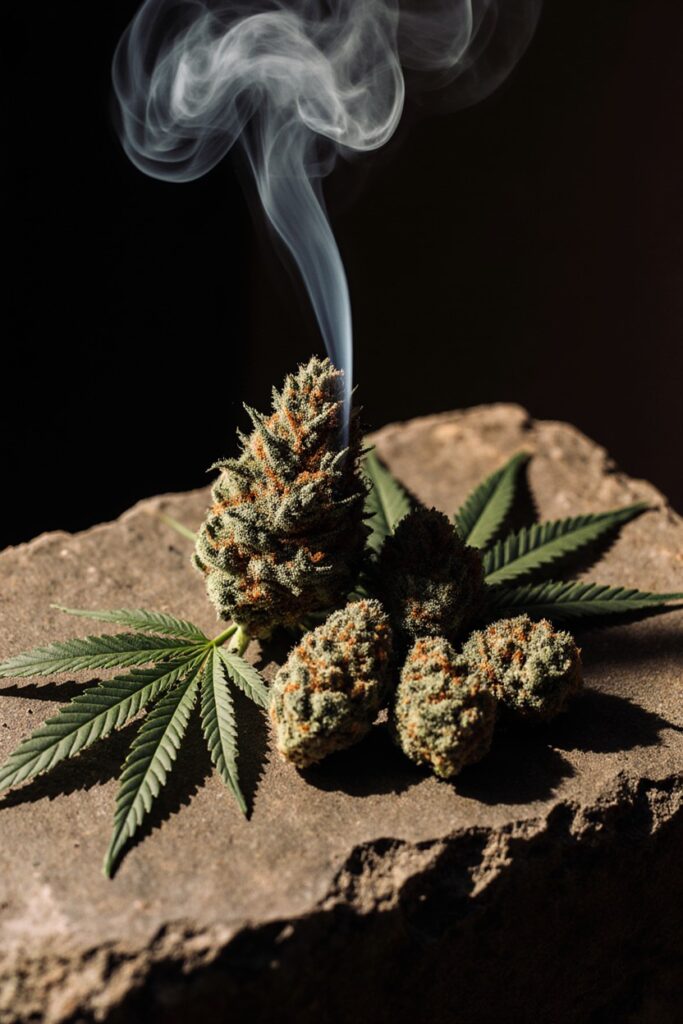
First, dry and cure flower slowly to retain terpenes. Specifically, use stable temperature (60–70°F / 15–21°C) and relative humidity (55–62%) during curing. Also, avoid high heat and light, which evaporate terpenes and degrade sulfur compounds.
Then, store finished flower in airtight glass jars in a cool, dark place. Additionally, check jars periodically and burp them during the first two weeks to control moisture. By doing so, you preserve the gassy profile and extend shelf life.
Analytical Testing
Labs typically profile terpenes and sulfur compounds using GC-MS or GC-FID. Consequently, test reports list terpene percentages and identify trace volatiles that influence smell. Therefore, consumers and growers use these reports to compare strains and validate sensory impressions.
In general, high terpene diversity and detectable sulfur traces often align with stronger diesel perception. Nevertheless, sensory testing remains essential because analytical data does not capture every perceptual interaction.
Consumer Tips
When possible, smell flower before purchase. Also, ask budtenders for lab-tested terpene profiles. Moreover, start with a small dose if you try a new, gassy strain. Finally, avoid driving or operating machinery while impaired.
Additionally, keep flower sealed and cool at home. Use labeled jars and record purchase/cure dates so you can track freshness. If a product smells chemically off rather than diesel-like, consider asking for a lab report or avoiding that batch.
Legality and Safety
Remember that “gassy” describes aroma, not legality. In other words, laws do not change based on scent. Cannabis legality depends on local and state regulation. For example, in the US, recreational sales generally require age 21+ where states allow them, while federal law still prohibits nonmedical use.
Although a strong gas scent itself poses no direct harm, it indicates high terpene content. Still, follow common-sense safety: start low, go slow; do not mix with alcohol or sedatives; keep products away from children and pets; and never drive while impaired.
Conclusion
In short, calling a strain “gassy” means its aroma resembles gasoline or diesel. Specifically, that scent arises from a terpene mix (notably caryophyllene and myrcene) plus trace sulfur chemistry. Therefore, consumers prize gassy strains for bold flavor and perceived potency. Always follow local laws and use responsibly.


Police Encounters with Cannabis: Rights, Storage, and Communication

Iced Banana Runtz: THC Levels, Effects, and Availability

Damp January: Why Cannabis Beats Alcohol for Health Resets

Vape Flavors for Mood: Cannabis Selection by Energy Level

Cannabis Dryness: Crisp vs Crumbly Flower Explained

Can You Identify a Strain by Smell? Why It Doesn’t Work

Why Does Weed Affect Everyone Differently?

Can You Get High From Secondhand Weed Smoke?

How to Get Rid of Cottonmouth Fast – Dry Mouth Relief
All Posts
